Updated August 2026
What you have to sort before you land in Bali
Four formalities, three of which you can do whenever you like and one that refuses to open until three days before you fly. What each one costs in US and Canadian dollars, and which authority is charging you.
Entering Bali means satisfying three different authorities who do not talk to each other: Indonesian immigration wants a visa, the province of Bali wants a tourism levy, and customs wants a declaration. None of the three accepts a receipt from either of the others, which is where most of the confusion on this subject comes from.
Here they are in the order they happen. Together they come to about US$36 (C$51) a head and roughly ten minutes of forms. Checked in August 2026. Indonesian entry rules have been rewritten repeatedly over the last two years, so treat this as the current state of play and confirm the decisive bits on the official portals before you travel.
Four things, and only one of them has a deadline
A passport valid six months past your arrival date
Check nowEveryone
Indonesia counts six months from the day you land, not the day you leave. Australian passports renewed in the rush before a trip are fine. The ones that catch people out are the ones with eight months left on the day they book and five on the day they fly.
A visa on arrival, or the e-VOA bought in advance
Any time, or at the airportEveryone
Thirty days for IDR 500,000, roughly US$28 or C$39, extendable once for the same amount. Buying it online beforehand as an e-VOA puts you in the automated gates instead of the payment queue, which on a full morning of arrivals is worth more than it sounds. This is a federal charge and has nothing to do with the Bali levy.
The Bali tourism levy
Any time before you are askedBali only
IDR 150,000 per person, about US$8.30 or C$12, once per trip, children included. It is collected by the province rather than by immigration, and it is the one payment on this list that has enforcement officers attached to it at temple gates. How to pay it, who is exempt and what happens at a spot check.
The All Indonesia arrival card
Only within 72 hoursEveryone
The single digital form that replaced the separate customs declaration and health pass. Immigration, customs and health in one submission, about three minutes, and it returns a QR code by email. The form does not open until three days before you arrive, so it is the one item here you cannot tick off early. Do it the night before you fly, at the same time as check in. The arrival card guide walks through the form step by step.
The guides in this section
One formality at a time, in full: what it costs, how it is actually paid, and what happens when it goes wrong.
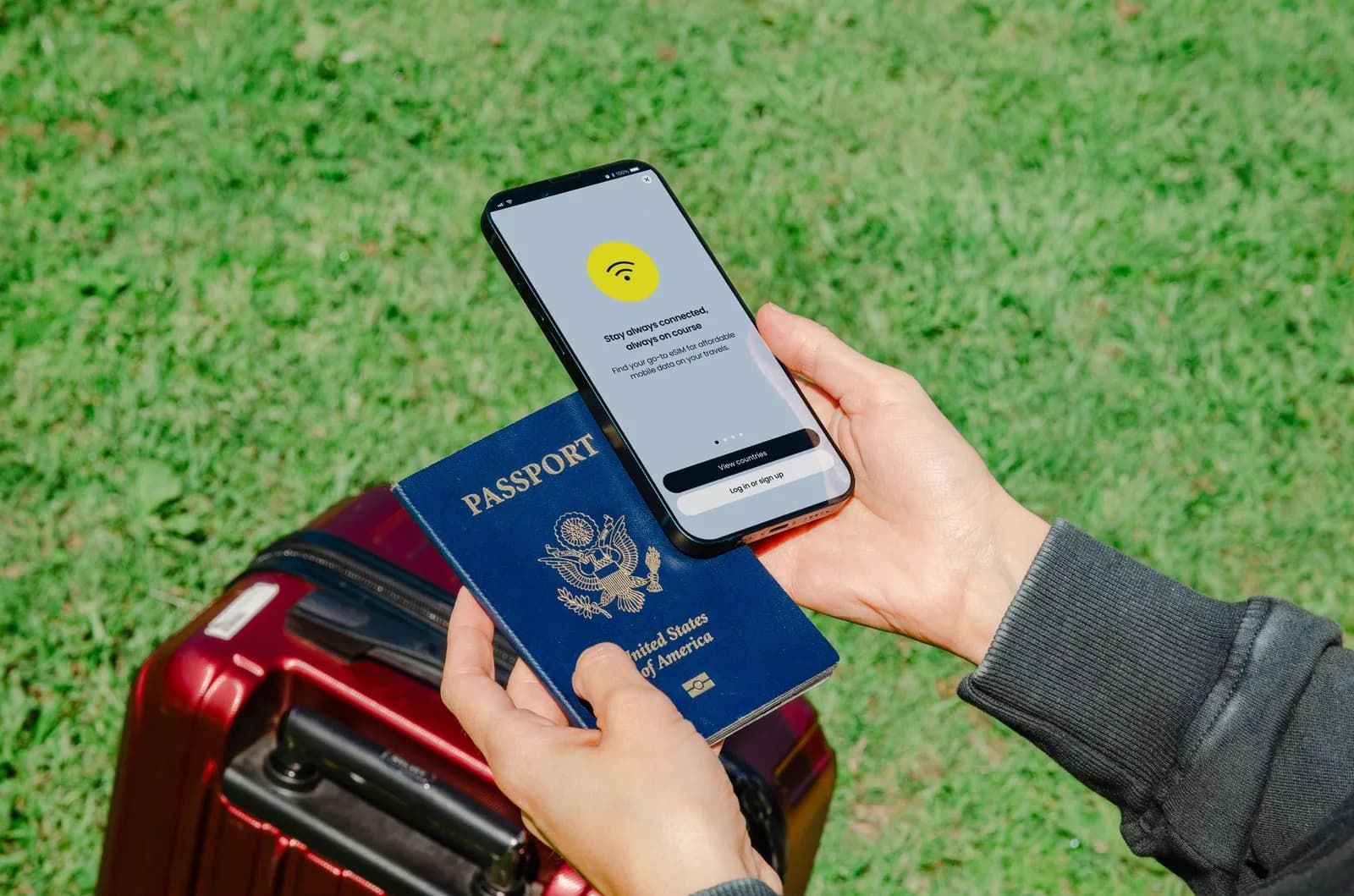
Before you go
All Indonesia Arrival Card: How to Fill It In for Bali
The free All Indonesia arrival card for Bali: the official link, the 72-hour window, each step, what to declare at customs, and the old forms it replaced.
Read the guide →
Arrival
Bali airport
The five queues between the plane and the kerb, timed by the hour you land, and when to leave for the flight home.
Read the guide →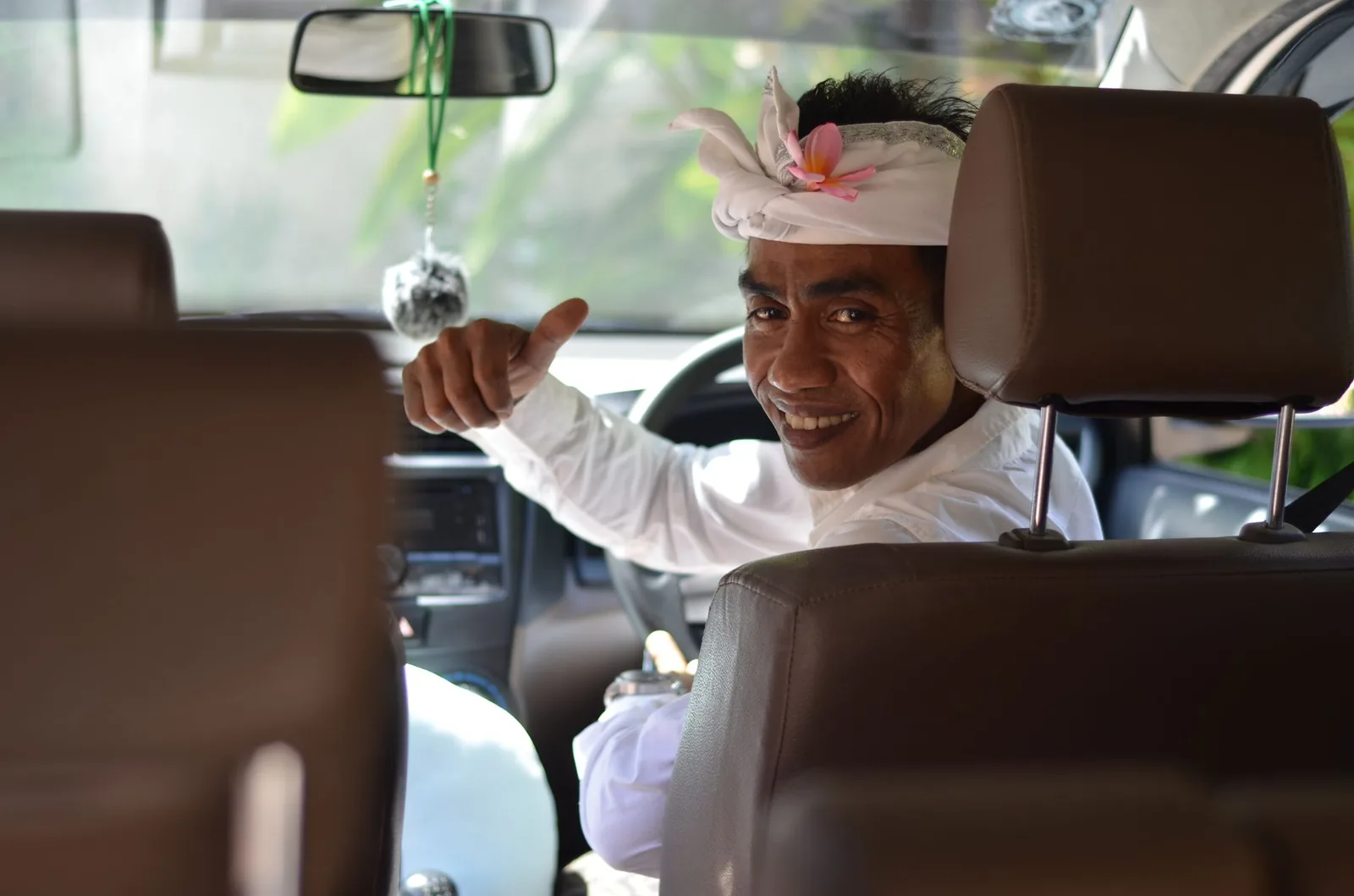
Arrival
Bali airport to Ubud
Fifty minutes at night, two and a half hours at 5pm. Taxi, Grab or a booked driver, ranked for your landing time.
Read the guide →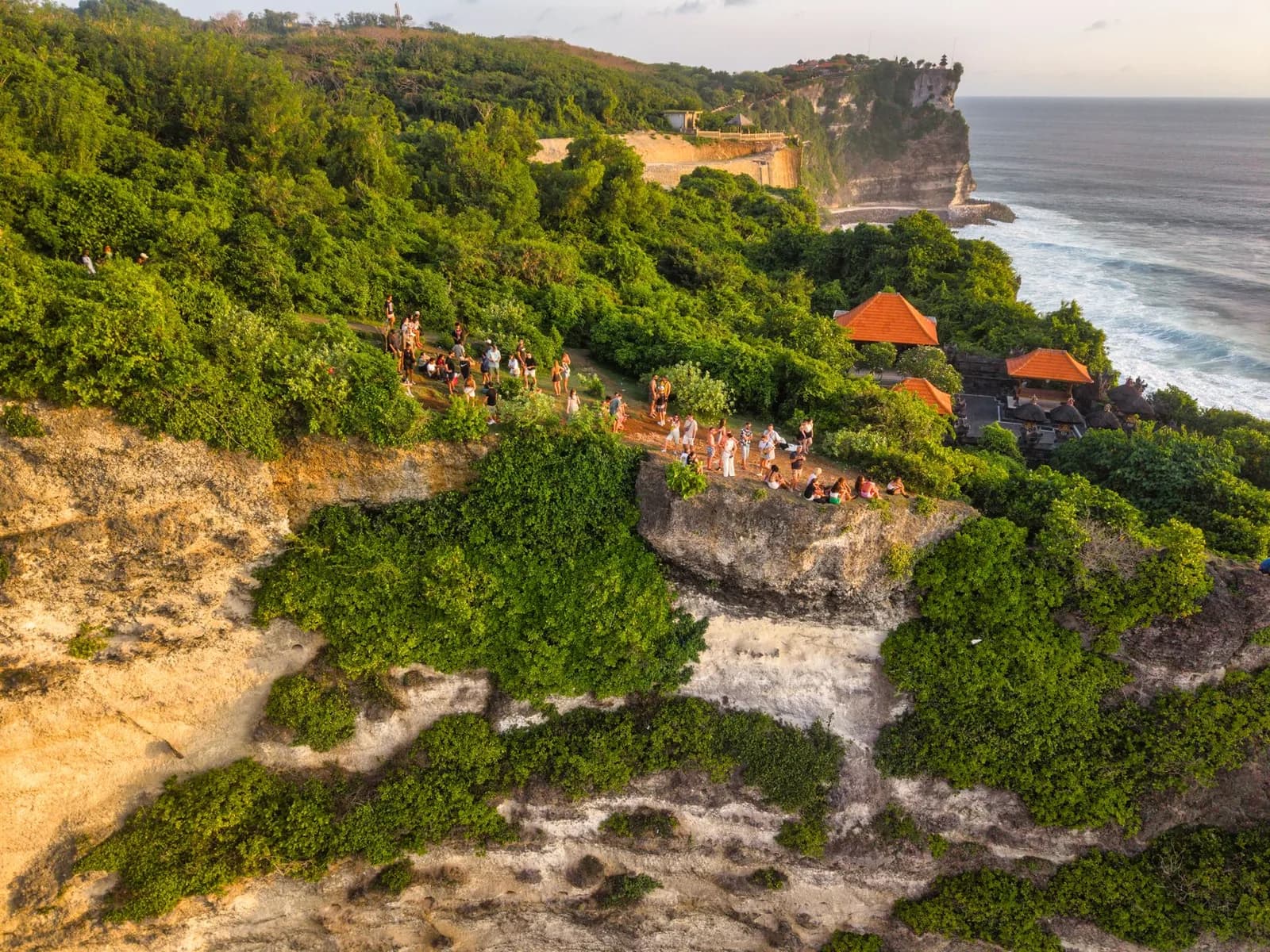
Money
The tourist levy
IDR 150,000 a head, the three ways to pay it, the full exemption list and what an officer does at a spot check.
Read the guide →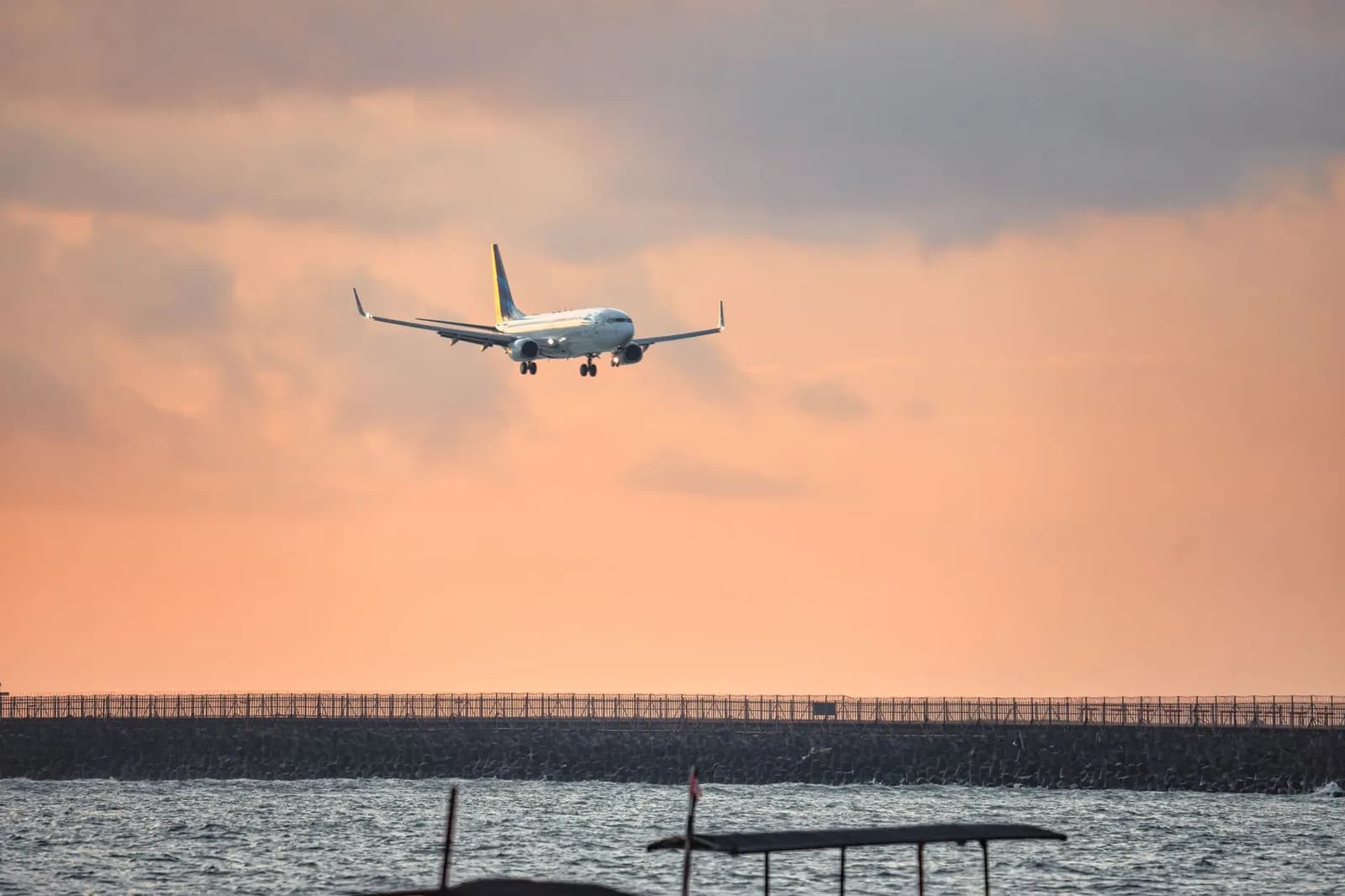
Before you go
The visa
IDR 500,000 for 30 days, whether to buy it online or at the counter, and the fee rise immigration proposed in August 2026.
Read the guide →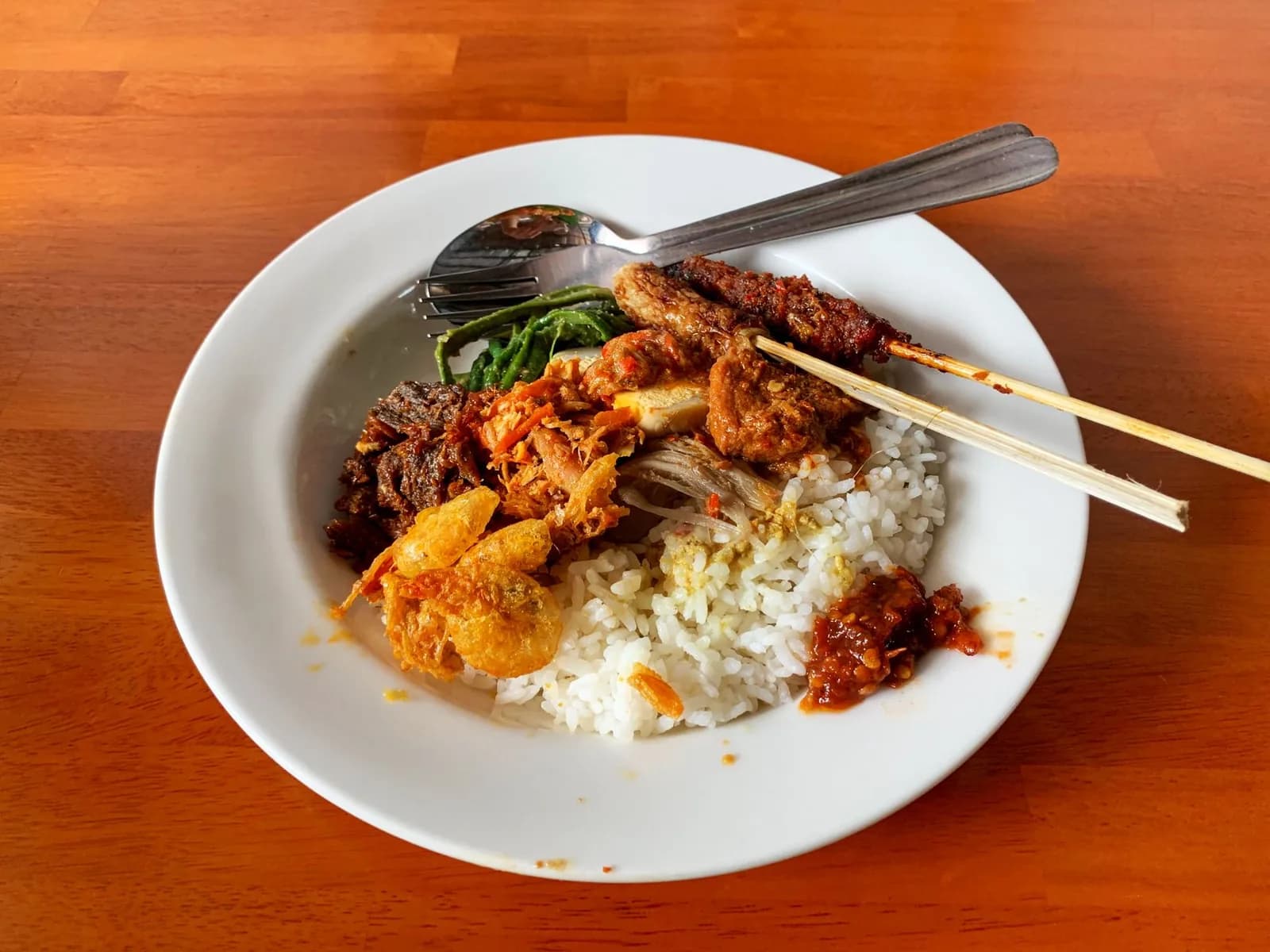
Before you go
Is Bali Expensive? Bali Trip Cost and Daily Budget 2026
Bali trip cost in 2026, in USD and CAD: daily budgets for backpacker, mid-range and luxury, real prices item by item, totals for 7, 10 and 14 days, ATM traps.
Read the guide →Two decisions the paperwork does not settle
The formalities take ten minutes. The two choices that actually shape the trip take longer, and neither of them is a form.
Which month you come
Bali has two seasons and about four months that are genuinely better value than the ones everybody books. The wet season is not the washout its reputation suggests, and the peak months buy you crowds as reliably as they buy you sunshine.
The twelve months side by side, with rain days, sea state and crowds in one table, are in the Bali weather guide.
Where you sleep, and how often you move
Bali is small and slow. Distances that look like forty minutes on a map are ninety on the road at the wrong hour, and the single biggest waste in a first Bali trip is basing yourself somewhere convenient for nothing you came to see.
The Ubud guide makes the case for the inland base, and the Nusa Penida guide explains why one night on the island beats the day trip everybody books. If Ubud wins, the drive up from the airport is the first thing to plan: Bali airport to Ubud times it for the hour you land.
Entering Bali: the questions people ask
Answers as at August 2026. Indonesian entry requirements change more often than most destinations, so confirm anything decisive on the official portals.
What do Australians need to enter Bali?
Is the Bali tourist levy the same as the visa on arrival?
When can I fill in the All Indonesia arrival card?
Do children need their own visa and levy for Bali?
How much cash should I bring to Bali?
Read next
The Bali visa
What it costs, online or on arrival, and the rise that has been proposed.
The Bali tourist levy
What you pay, how to pay it, and what happens at a spot check.
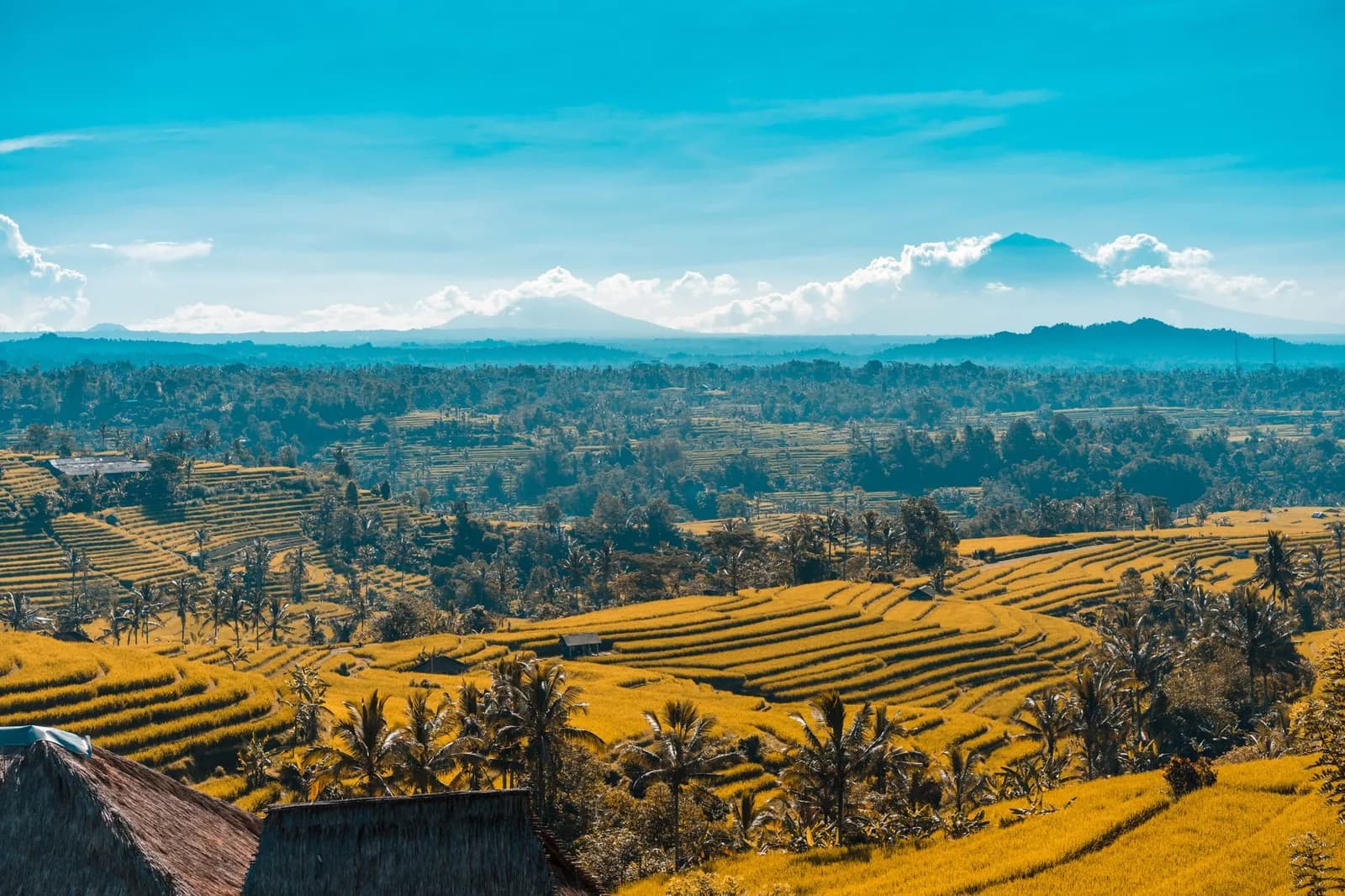
Bali weather, month by month
The twelve months in one table, and the ones worth choosing.
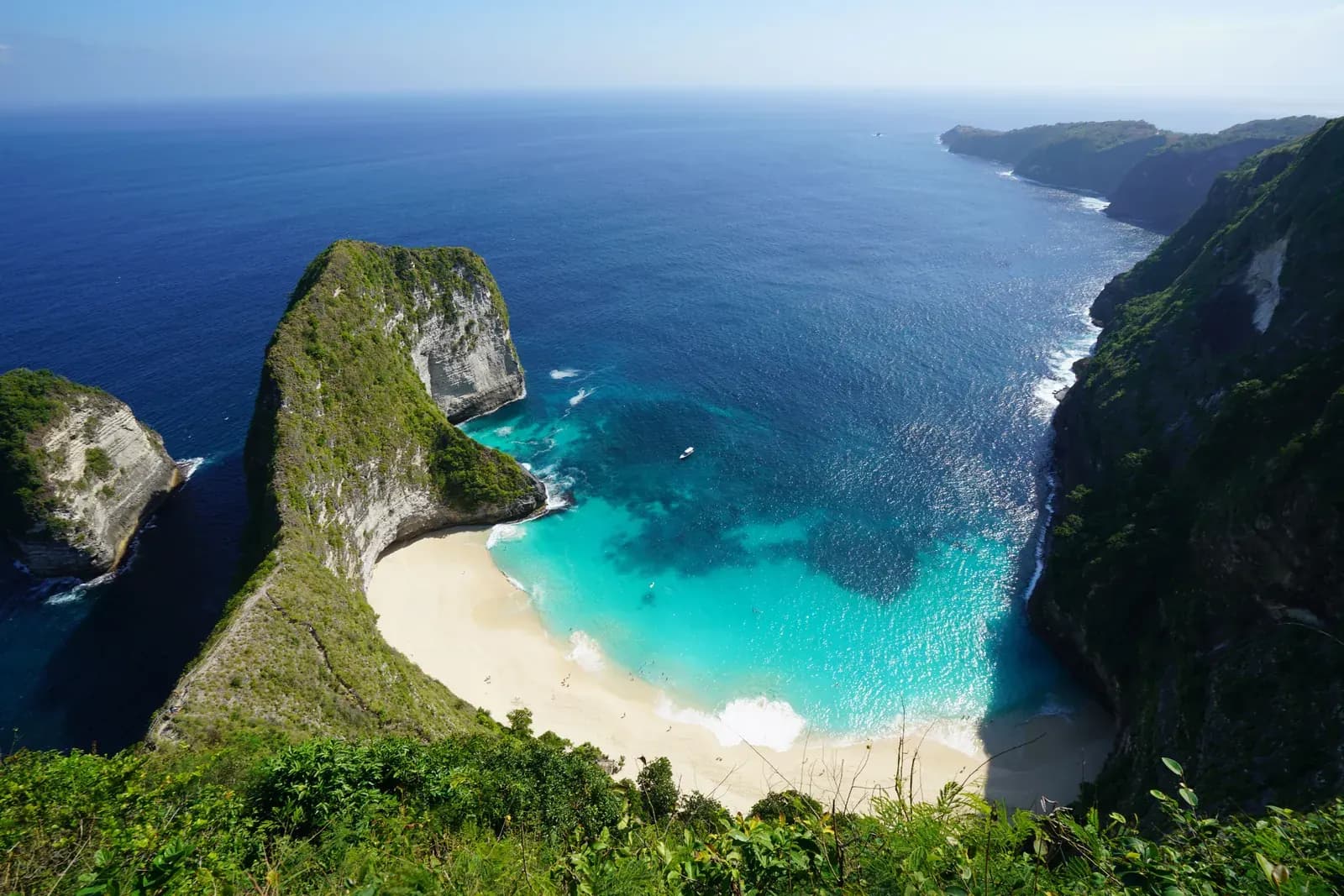
Nusa Penida
Spectacular cliffs, bad roads, and whether it earns the day.

Bali temples worth the drive
The six that earn a day out of more than ten thousand.