Seminyak is where most first trips to Bali should start and almost none should stay. It is twenty minutes from the airport, it has the restaurants, the spas and the villas, and it asks nothing of you on the day you land with no sleep behind you. What it does not have is a single thing that looks like the island in the photographs, because it is a flat two kilometre resort strip between a main road and a beach.
So the question is not what to do in Seminyak. It is whether Seminyak is your base at all, and that is a choice between here, Canggu and Kuta, with Legian and Sanur quietly beating all three for certain kinds of trip. Start there.
| Base | Best for | Watch out for |
|---|---|---|
| Seminyak | Best eating outside Ubud, a walkable sunset strip | Room rates, and a twenty minute walk past Petitenget |
| Canggu | Younger, cheaper, built around surf and cafes | Worse traffic than Seminyak, black sand hot by eleven |
| Legian | Same beach and sunset as Kuta and Seminyak, priced closer to Kuta | Nobody writes about it, fifteen minutes’ walk to Eat Street |
| Kuta | Cheapest rooms, the most forgiving beginner surf | The most hassled stretch of pavement in Bali |
| Sanur | The only south base with a reef, flat water you can swim in | The wrong side of the island for nightlife and surf |
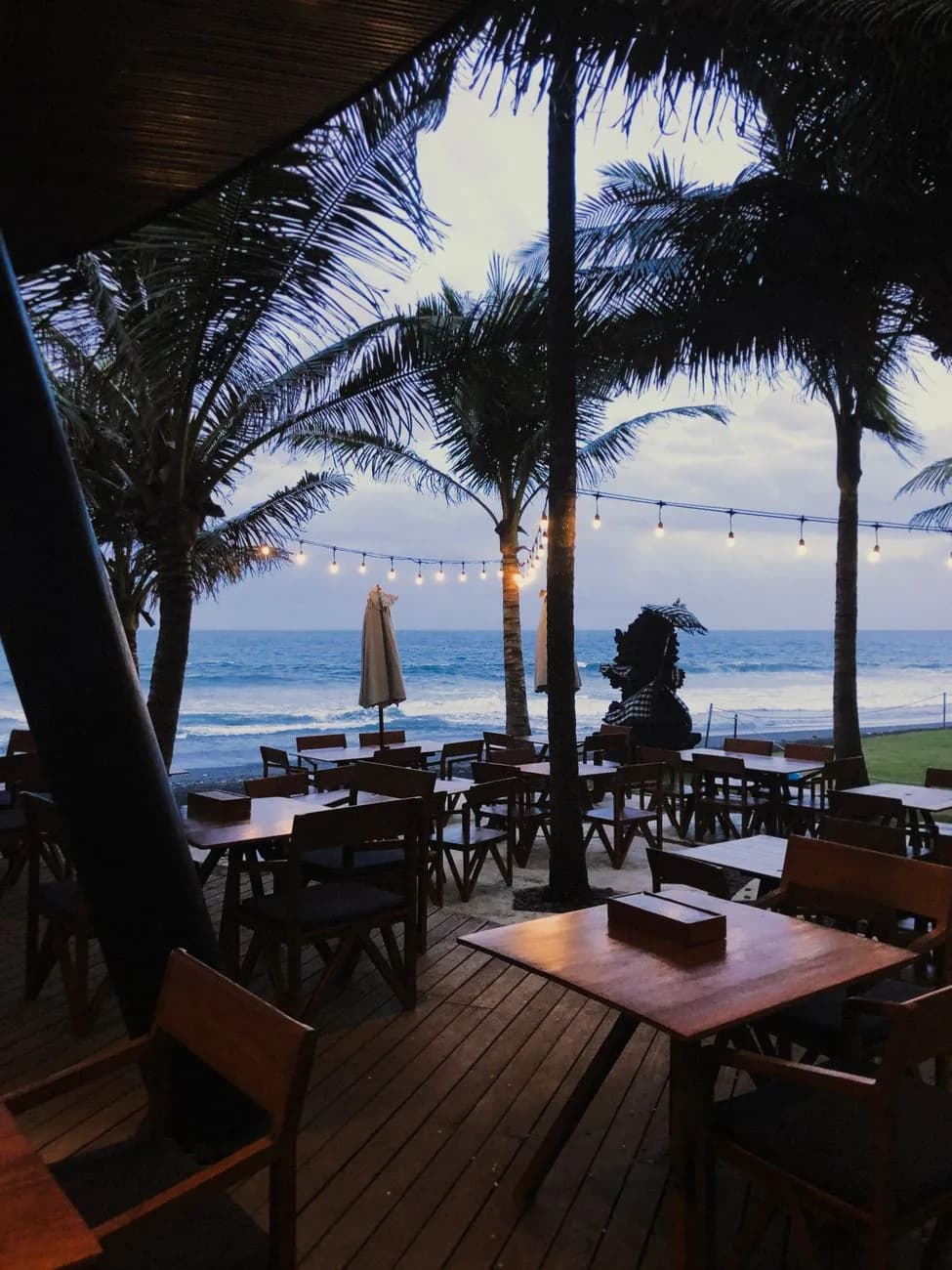
The sunset, booked rather than queued for
Free cancellationBeach clubs, sunset tables and day passes in Seminyak
- ✓Daybeds and pool access booked ahead, which is the difference on a Saturday
- ✓Minimum spend paid up front instead of discovered at the till
- ✓Transfers included on a lot of the listings, so you are not walking Petitenget in the dark
- ✓Free cancellation on most of them if the sky turns
Affiliate link. Booking through GetYourGuide costs you nothing extra and supports the guide. Prices are indicative and vary by option and season.
On this page
Seminyak vs Canggu vs Kuta: which one to stay in
Three names for three stretches of the same coastline, thirty minutes apart end to end. Almost nobody answers this one straight, and it is the question everybody arrives with.
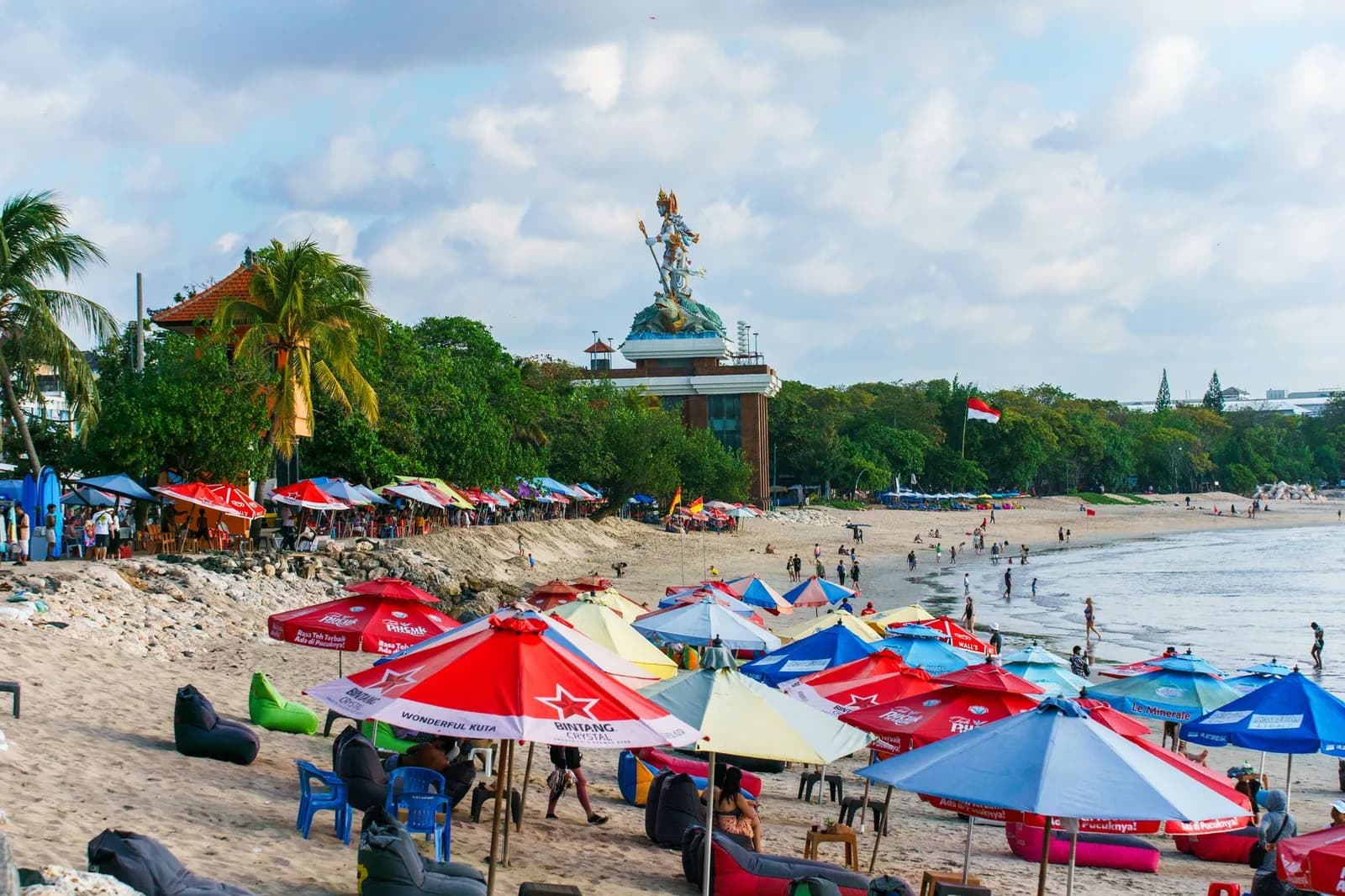
Take the geography first, because it explains most of the rest. Kuta, Legian, Seminyak and Canggu sit in a line up the west coast, in that order, on one continuous west facing beach. The sand is the same sand. The sunset is the same sunset. What changes is what has been built on it.
What changes as you move north is the price of a room, the age of the people in the bars, and the length of the drive from the airport. In one line each:
- Kuta is the oldest and cheapest, with the best beginner surf on the island and the most street hassle in Bali.
- Canggu is what Seminyak was fifteen years ago: surf, cafes, grey sand and a younger crowd, on roads that cannot carry what has been built along them.
- Seminyak sits in the middle and charges for it. Roughly forty per cent more than Canggu for a comparable room, and the only one of the three where the whole evening works on foot.
- Legian, the strip in between, is the value answer nobody gives: Kuta prices, the same beach, fifteen minutes walk to Eat Street.
- Sanur, on the other coast, is the only one with a reef in front of it, so the water is flat enough to swim in and the sun rises over it instead of setting.
The one worth expanding on is Canggu, because the way it is sold leaves out the traffic. It grew along a handful of single lane shortcuts between rice fields, and at five in the afternoon the two kilometres from Berawa to Echo Beach can take forty minutes. Seminyak has a proper road grid. Canggu does not, and no amount of scooter confidence fixes that.
| What you are comparing | Seminyak | Canggu | Kuta |
|---|---|---|---|
| A comparable room | ≈ $60 to $250 | ≈ $40 to $170 | ≈ $20 to $80 |
| From the airport | 20 to 60 min | 45 to 90 min | 10 to 30 min |
| The beach | Wide, pale sand, heavy shorebreak | Black sand, hot underfoot, better surf | Widest, gentlest waves, most crowded |
| Eating | The best on the coast, and priced like it | Cafes and brunch, thinner at dinner | Chains, and warungs if you look |
| Traffic | Bad on Petitenget from 16:00 | Worse, on roads with no alternative | Bad, but the grid gives you options |
| The evening | Walkable end to end | You will be ordering a scooter | Walkable and loud |
| Who it suits | Couples, food, a first trip, a last night | Surfers, solo travellers, longer stays | Tight budgets, beginners, groups |
The most common good answer is not one of them. Two or three nights in the south at the start, then move inland to Ubud for the part of Bali that has scenery in it, then one last night back down here because the airport is twenty minutes away and nobody wants to start a flight with a two hour drive.
Seminyak Beach: can you swim, and which stretch to pick
The part the booking pages leave out, and the reason people get into trouble here every single year.
Seminyak Beach is the middle section of a single long strand that runs from Kuta up to the river mouth at Petitenget. It is open Indian Ocean with nothing in front of it. There is no reef, no headland and no bay, which is why the sunsets are what they are and also why the water behaves the way it does.
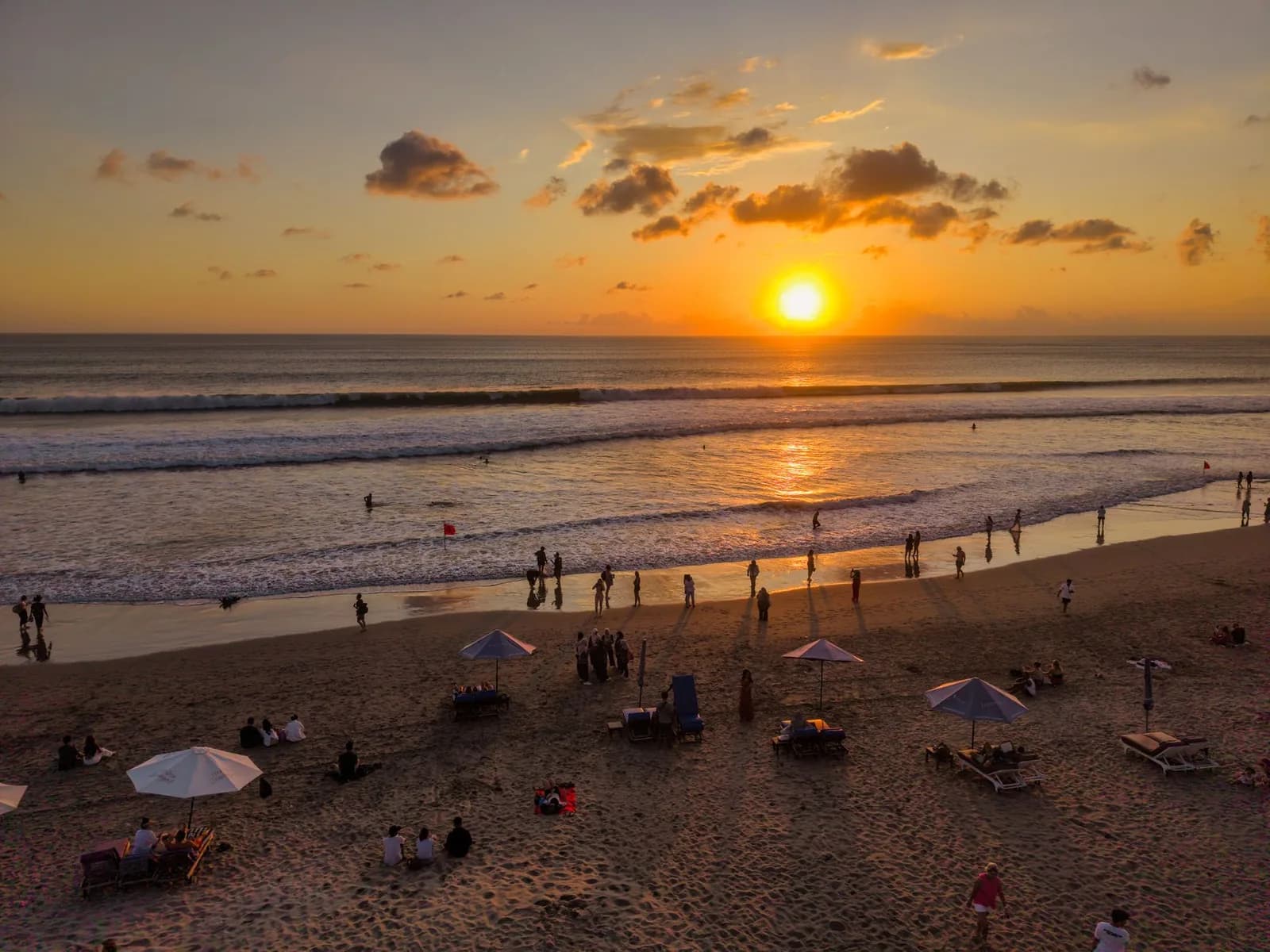
Two things about that open water catch visitors out, and they are not the same thing.
- The shorebreak. The sand shelves steeply, so the waves break onto it rather than in front of it. You are standing in water at your knees, the next set lands on top of you, and you are over your head with the backwash pulling. This is the common way to hurt a shoulder or a neck here, and it does not take a big day to do it.
- The rips. Water pushed onto the beach has to go back out, and it goes out in narrow fast channels that form, move and disappear through the day. A rip does not pull you under, it pulls you out. Go sideways along the beach until you are clear of the channel, then come in. Swimming straight back at the shore is what exhausts people.
Which is why the flags are the only rule that matters here. Australian visitors will recognise the system exactly, because it is the same one.
- Red and yellow, in pairs. The patrolled zone, chosen by the lifeguards because it is the safest water on the beach that hour. It moves during the day. Swim between them and nowhere else.
- A single plain red. The beach is closed to swimming. It is not advisory, and on a big swell it stays up all day.
- No flags at all. Nobody is watching that stretch. Most of the people who get into trouble on this coast went in outside the flags or on an unpatrolled section.
None of this makes it a bad beach. It makes it a surf beach. Boogie boards, a beginner lesson in the whitewater and a beer on the sand at six in the evening are all excellent here. Lengths of freestyle and small children paddling are not. If that is what your trip needs, the answer is a villa with a pool, or the reef at Sanur. The same warning applies with more force on Nusa Penida, where swimming is banned outright at the famous beaches, and the water here is worst in January and February, when the monsoon current pushes debris onto this coast. Where you can actually swim, coast by coast, is in our Bali beaches guide.
Double Six
Southern end, towards Legian. The widest and the liveliest stretch, with beanbag bars along the back of it and a football pitch behind. The sunset spot most people mean when they say they watched the sunset in Seminyak.
Seminyak Beach
The middle, in front of the big hotels. The quietest of the three and the easiest to find space on, because the hotel loungers take the front row and everyone else spreads out behind them.
Petitenget
North end, up to the river mouth. Least developed, best for a long walk, and the temple that gives the area its name sits just behind the sand. The river beyond it is the boundary with Canggu.
Seminyak areas: Eat Street, Petitenget, Dyanapura and Kerobokan
Five streets, and the one you sleep on decides more about your week than the hotel does.
Seminyak has no centre. It is two long roads running roughly north to south, parallel to the beach, with a grid of lanes between them and the sand. Everything is on one of those two roads or on a lane off them, and the distance from one end to the other is about two kilometres, which is half an hour on foot and anywhere between ten and thirty minutes in a car depending on the hour.
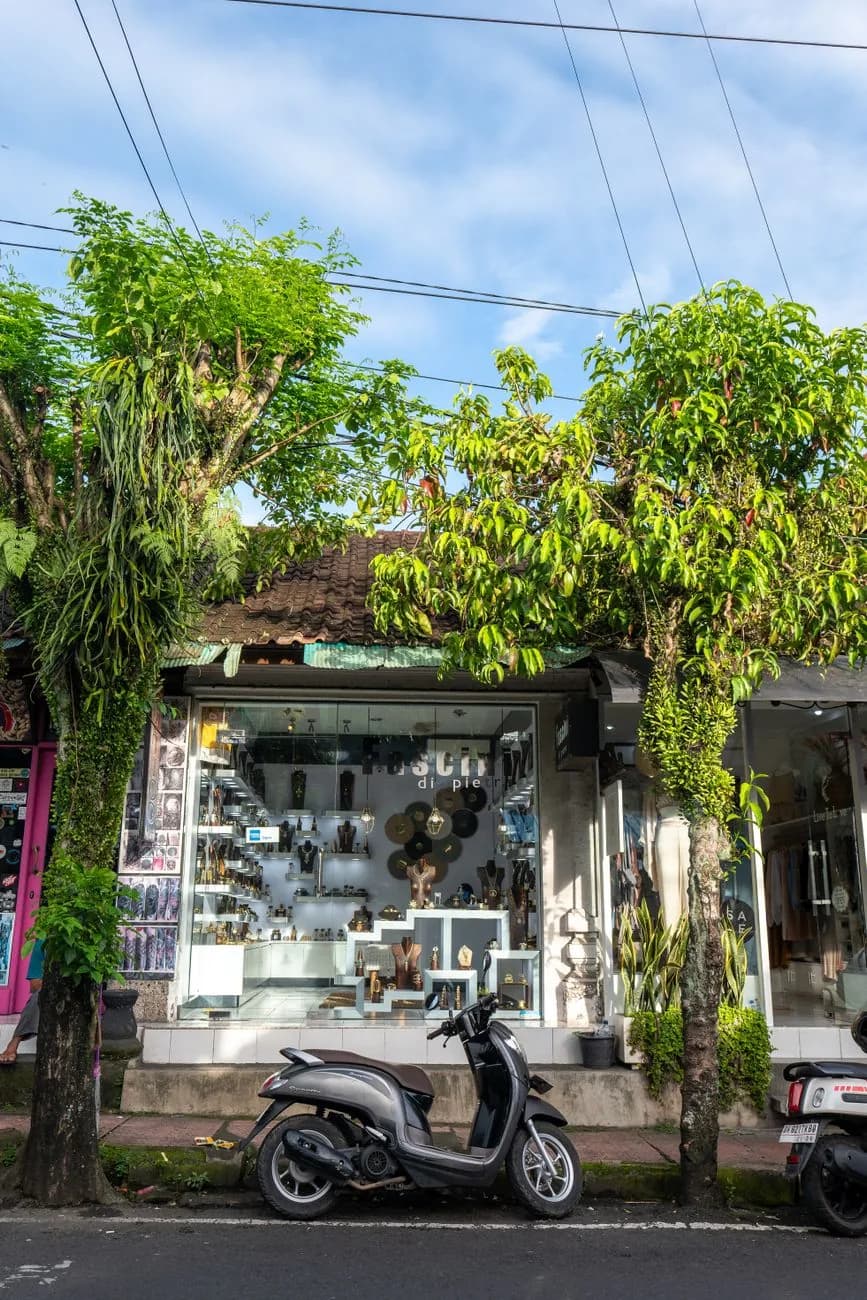
The single most useful thing to understand before booking is that a large share of what is sold as Seminyak accommodation is in Kerobokan, the area inland and north of it. Kerobokan has the villas, the space and the prices, and it has no beach and no walkable anything. A listing that says Seminyak and shows a twenty five minute walk to the sand is a Kerobokan listing. Check the pin on the map, not the title.
The other thing worth knowing is that the good value is two streets inland from the expensive value. The warungs on Drupadi and Sarinande are cooking the same food as the restaurants on Eat Street for a fifth of the money, the street spas charge ten dollars for the massage a hotel charges forty for, and the distance between the two versions is about ninety seconds of walking.
Jalan Kayu Aya
Eat Street, or Jalan Laksmana on older maps. The restaurant spine, running from the main road down to the beach.
- Sleep here if: Best if dinner is the point of your evening and you want to walk to it.
- Against it: Loud until late at the beach end, and the pavement disappears in stretches.
Jalan Petitenget
The northern continuation of the same road. Beach clubs, the big villa hotels and the temple the area is named after.
- Sleep here if: Best for a quieter room that is still ten minutes from everything.
- Against it: The traffic here is the worst in Seminyak, and it is a real walk to the south end.
Jalan Camplung Tanduk
Dhyana Pura, or just Dyanapura. The bar street, and the centre of Bali's gay nightlife.
- Sleep here if: Best if you want the night to be walkable and you sleep through noise.
- Against it: Genuinely loud past midnight, on both sides of the street.
Jalan Drupadi and Jalan Sarinande
The lanes running inland behind the beach. Guesthouses, small villas and warungs, five minutes from the sand.
- Sleep here if: Best value in Seminyak, and the closest thing here to a normal street.
- Against it: Nothing happens on your doorstep, which for a lot of people is the point.
Kerobokan
Sold as Seminyak on booking sites, and it is not. The area inland and north, all villas and no beach.
- Sleep here if: Best if you have a car, a driver or a very high tolerance for scooters.
- Against it: Twenty to forty minutes to the sand in traffic, for a walk you thought was five.
The best beach clubs in Seminyak, by who they suit
Four of them matter. Ranking them by quality is pointless, because they are aimed at four different evenings.
First, the money, because it is where the surprises are. Most of these places have no entry fee and a minimum spend instead: you book a daybed or a pool bed, you are told a figure, and that figure comes off your food and drink rather than being charged on top. It sounds generous and it is not, because the figure is set at roughly what two people would spend on a good dinner, and you will spend it. Budget a beach club afternoon as a restaurant meal, not as a drink with a view, and nothing about the bill will annoy you.
Potato Head
Best for: First time, and anyone who wants the famous one.
The amphitheatre of old shutters is genuinely a building worth seeing, and the infinity pool is the photograph. It is also the busiest, and on a Saturday the queue for the pool deck starts before noon.
What you pay: Entry free to the grass, minimum spend on a daybed, and drinks at international prices.
Ku De Ta
Best for: Dinner and a sunset rather than a day out.
The oldest of them and still the most comfortable at seven in the evening, when the others have turned into a nightclub with sand. The food is a real restaurant rather than a bar menu.
What you pay: No entry, but the bill lands where a good restaurant anywhere lands.
La Plancha
Best for: Anyone who does not want a beach club at all.
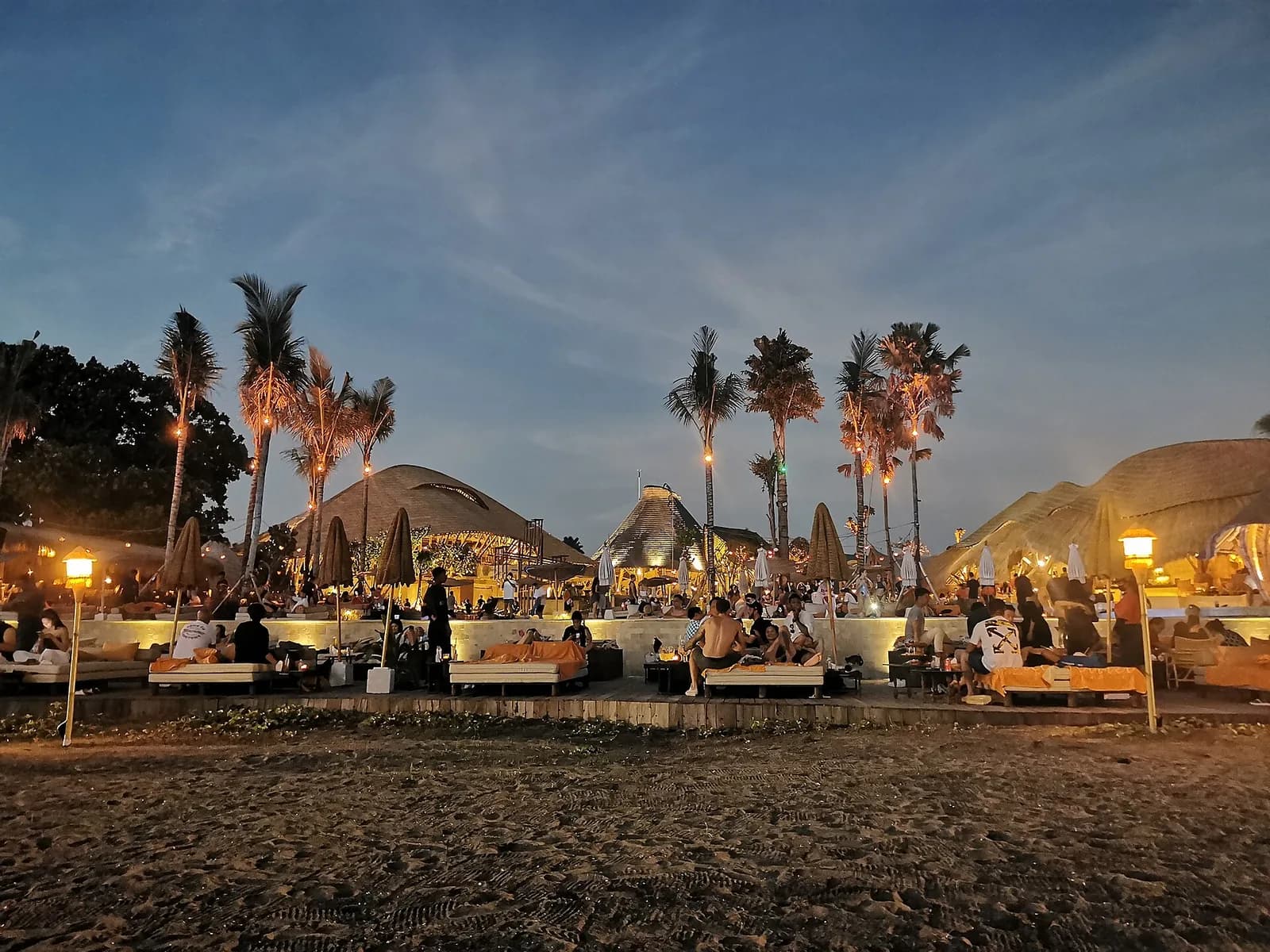
Coloured beanbags straight on the sand at Double Six, no gate, no minimum, no dress code. It is the sunset most people actually remember, and it costs the price of two beers.
What you pay: The price of what you drink, and that is the whole model.
Mrs Sippy
Best for: Groups, and swimming that is not the sea.
A saltwater pool with diving platforms, set back from the beach in a lane in Kerobokan Kelod, inland from Petitenget. Loud, young, and the one place here where the pool is the point rather than the backdrop.
What you pay: An entry fee of about $8 with a towel, waived if you book a daybed, and daybed minimums from about $40.
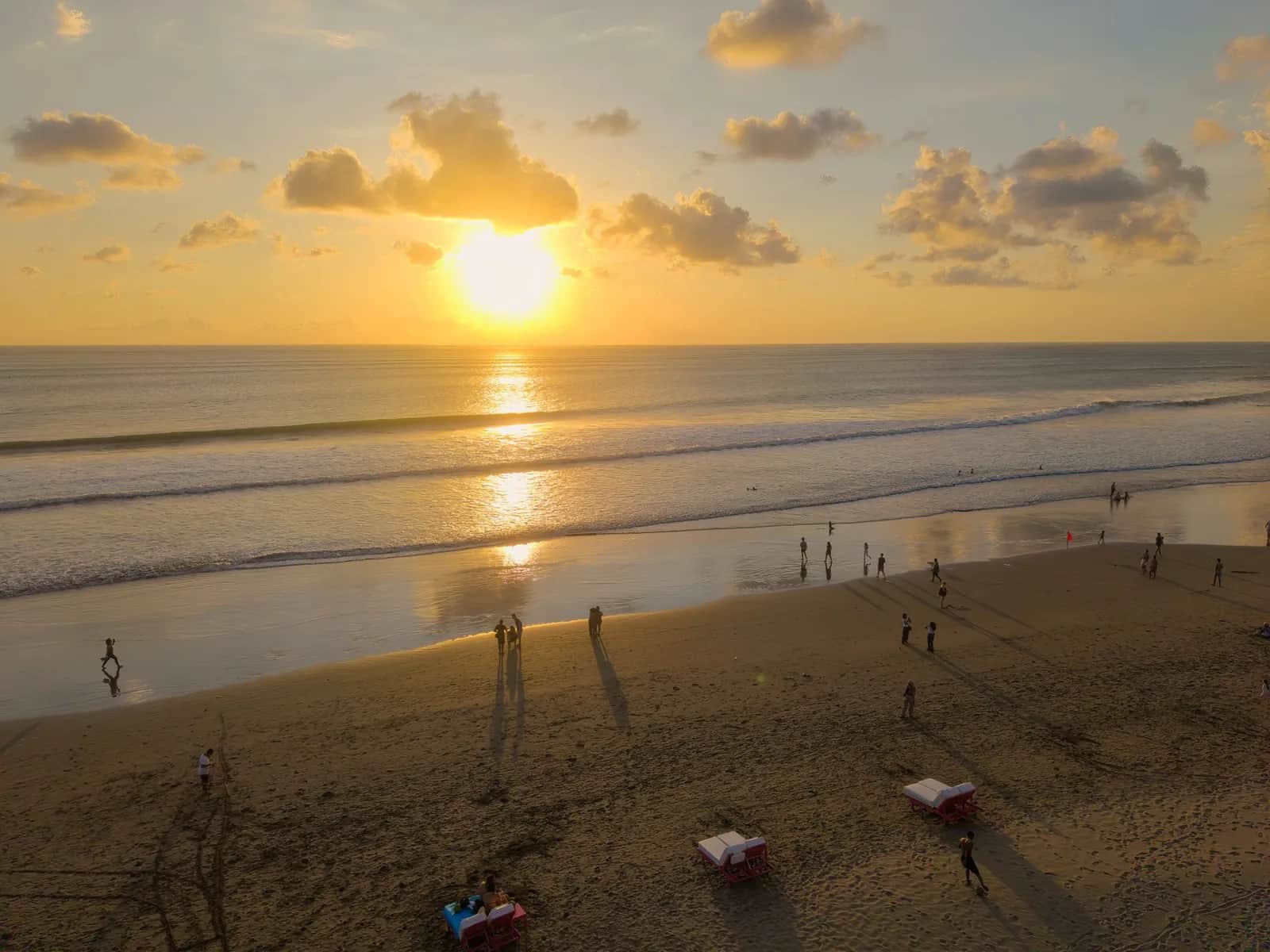
The unglamorous advice is that the best sunset on this coast is free and requires no reservation. Walk onto the sand at Double Six around half past five, take a beanbag from whichever operator has one, and order two beers. You are looking at exactly the same sun as the people behind you who have committed to a minimum spend, and you can leave whenever you want.
Minimum spends, daybed booking rules, dress codes and children's policies for each of them are on the Seminyak beach clubs page, with sunset times month by month.
Things to do in Seminyak away from the beach
The list is genuinely short, which is worth saying rather than padding out to seventeen items.
A massage, and then another one
The single best value in Bali. An hour of Balinese massage at a street spa on Drupadi or Sarinande runs about ten dollars, and the standard is high because the competition is brutal. Do not book the hotel spa on the first day, because you will not go back to it once you find out what the street rate is.
The shopping, which is real
Independent designers, homewares, leather and swimwear along Jalan Kayu Aya and the lanes off it, plus Seminyak Village and the flea market for the volume end. This is the one thing here that Canggu and Kuta do not do better or cheaper, and it is the reason a lot of repeat visitors keep coming back to this strip.
A cooking class
Most of them start with a market run at dawn and finish with you eating what you made around lunchtime. It is the activity that consistently gets rated highest afterwards by people who booked it as filler, and it is the closest thing to Balinese culture available inside Seminyak.
Petitenget temple
A working sea temple at the north end of the beach, small, free to look at from outside, and about fifteen minutes of your time. It is not a reason to come to Bali, but it is the one piece of the island's actual religious life standing in the middle of the resort strip. For the ones that are worth a day, see the temples worth the drive.
A beginner surf lesson
Two hours in the whitewater with an instructor and a soft board, roughly thirty dollars. The waves here are less forgiving than at Kuta, so if you have never stood on a board, book the lesson three kilometres south rather than out the front of your hotel.
Waterbom, fifteen minutes south
Consistently rated among the best water parks in Asia, and the single most reliable way to keep children happy for a full day in the south. It is in Kuta rather than Seminyak, which is a fifteen minute car ride and worth it. Prices and the height limit of each slide are in our Waterbom Bali guide.
Where to stay in Seminyak: hotel room or private villa
The choice here is not really between hotels. It is between a hotel room and a walled house with a pool in it, and they produce different holidays.
Seminyak is where the Bali villa became a thing, and it is still the best place on the island to take one. For roughly what a mid range hotel room costs in Sydney or Los Angeles you get a two bedroom compound with a private pool, a walled garden and somebody who comes in the morning to clean it and cook you breakfast. That is the actual reason people who have been to Bali five times keep staying in this particular strip.
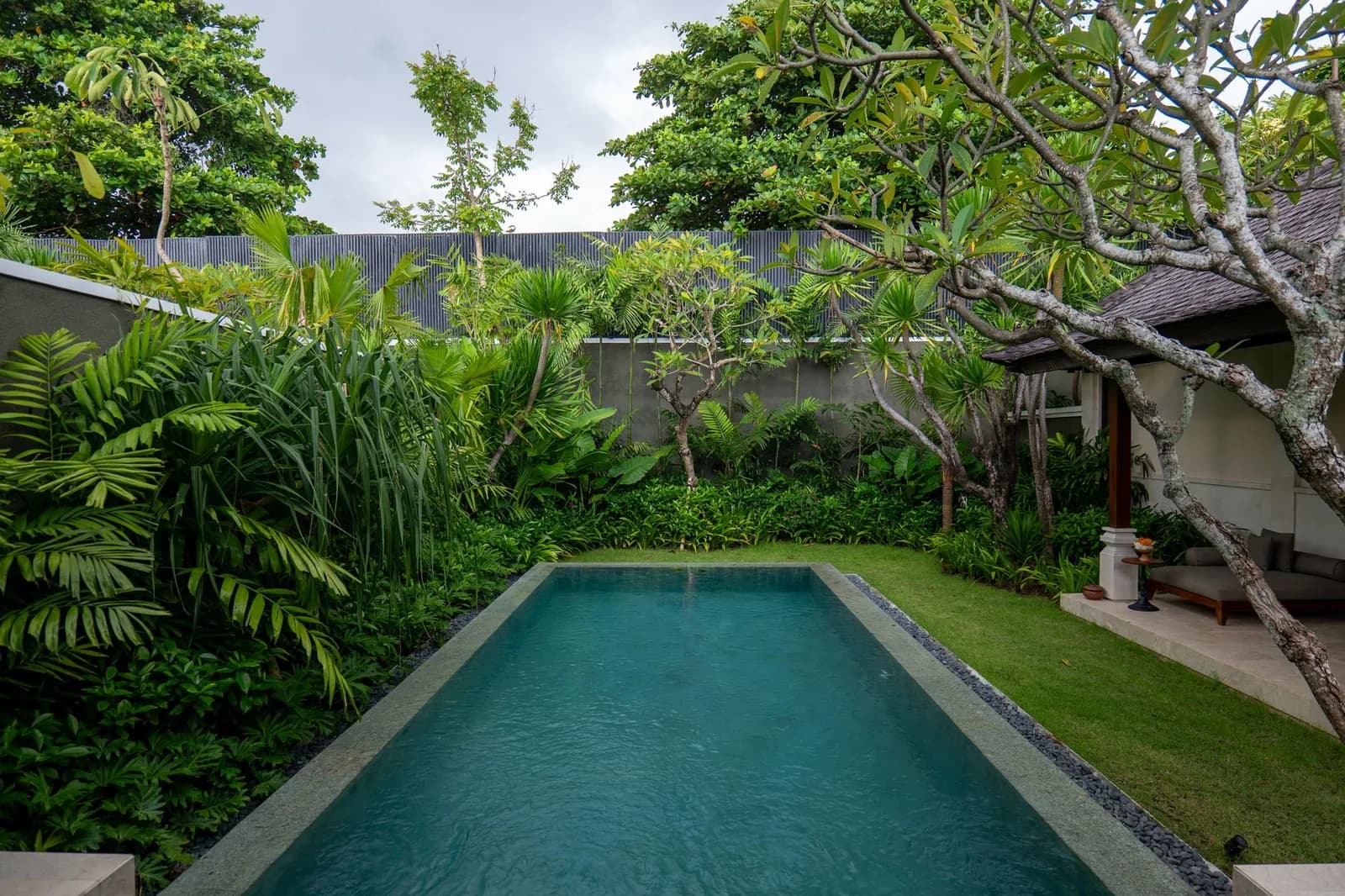
The catch is that the pool becomes the holiday. A villa with high walls and a private garden is extremely pleasant and completely enclosed, and a lot of people find they have spent four days inside it and seen a supermarket. If you are here for two nights, take a hotel room near the beach and walk. If you are here for five or more, take the villa and accept that you have chosen a house rather than a base.
On position, work backwards from your evenings.
- If dinner is the point, sleep in the lanes off Jalan Kayu Aya, so you walk to it rather than order a car twice an evening.
- If you want quiet, go north to the Petitenget end and accept a fifteen minute walk back from the restaurants.
- If money is tight, Drupadi and Sarinande have guesthouses at half the beachfront rate, five minutes from the sand.
And check the map pin. It is worth repeating because it is the most common booking mistake made on this strip: the difference between a Seminyak address and a Kerobokan one is the difference between walking to dinner and ordering a car twice a day.
How to get to Seminyak from the airport, and getting around
Eight kilometres from the airport, and anywhere between twenty minutes and an hour depending entirely on when you land. The Bali airport guide compares taxi, Grab and transfer fares from the terminal.
From the airport
Pre book a car rather than negotiating in arrivals, where the fixed price counter and the drivers outside it are both charging more than an app. Expect twenty minutes early morning and up to an hour in the late afternoon, and note that there is no alternative route: the traffic is the traffic.
Grab and Gojek
They work here better than almost anywhere else in Bali, cars and scooters both, three to six dollars for a ride across town. A handful of pickup points near taxi ranks and outside some clubs are contested by local drivers, and walking fifty metres up the road solves it every time.
On foot
The strip is half an hour end to end and walking is the right way to use Seminyak during the day. The pavements are poor, with open drains, parked scooters and stretches where the footpath simply stops, so after dark on the unlit sections most people order a car for a distance they would have walked at home.
A scooter, or not
One of the few parts of Bali where you genuinely do not need one. Hire it for the days you leave the strip rather than for the week, and remember that riding without an international permit carrying the motorcycle category is what turns a scrape into an uninsured scrape.
A car with a driver
Around forty to fifty five dollars for eight to ten hours, fuel usually included and entry tickets never. This is the sensible way to do Tanah Lot, Uluwatu or a day north, and it costs about the same as two scooter hires once you count fuel and parking at each stop.
The airport run at the end
Leave earlier than the map says. A four in the afternoon departure means leaving Seminyak by one, and everybody who has ignored that has a story about it. This is also the argument for spending your last night down here rather than in Ubud.
Before any of it there is the paperwork, and it is shorter than its reputation: a passport with six months on it, a visa on arrival, the tourism levy and an arrival card that will not open until three days before you fly. What you have to sort before you land sets out all four, with what each one costs and who is charging you for it.
Day trips from Seminyak
Seminyak is in the wrong corner of the island for most of what is worth seeing, which is the honest framing. These are the ones the drive earns.
| Place | Drive time | Why |
|---|---|---|
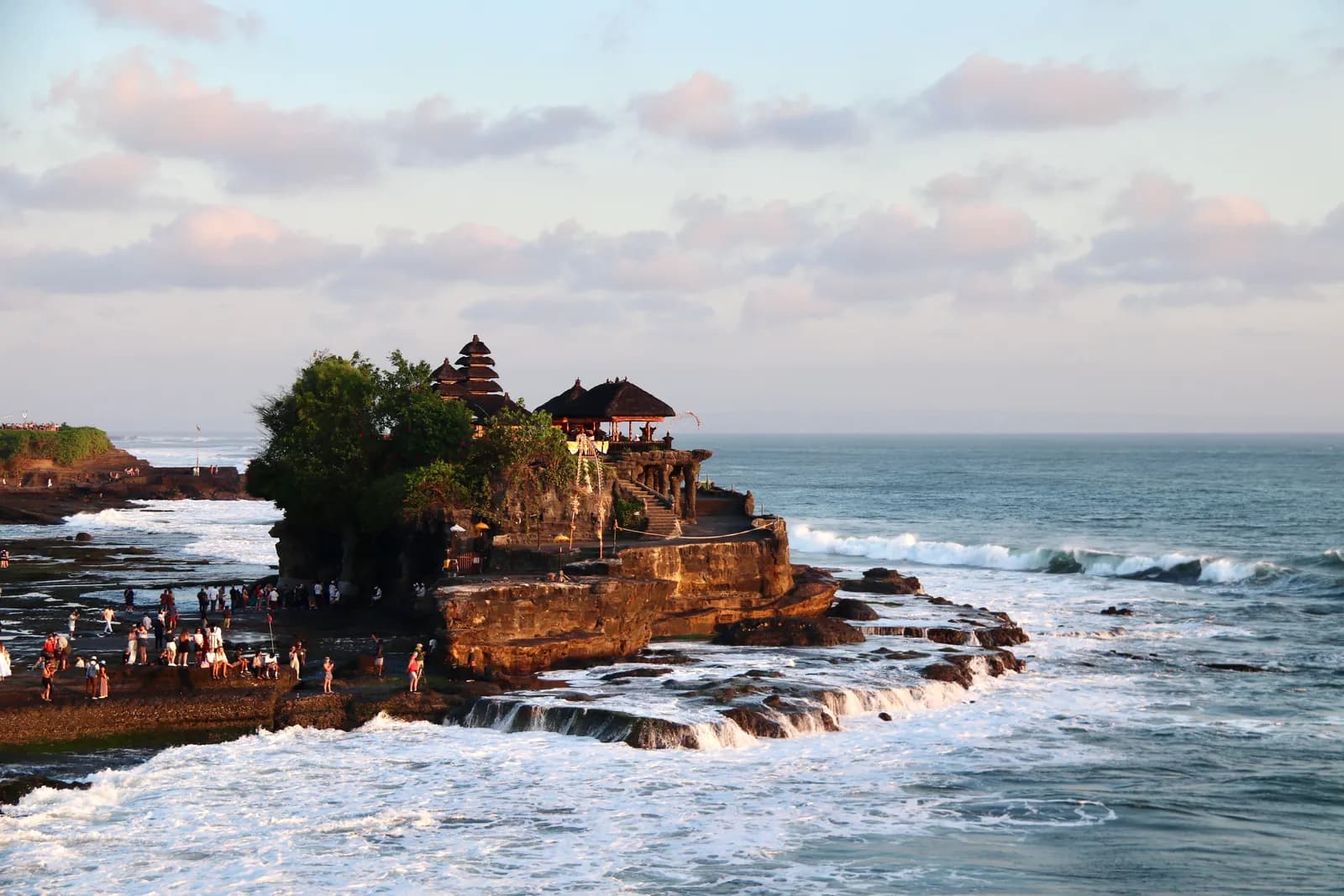
| Tanah Lot | 50 to 70 min north, longer coming home | The sea temple everyone photographs, and the tide decides whether you see it on a rock or in a puddle. |
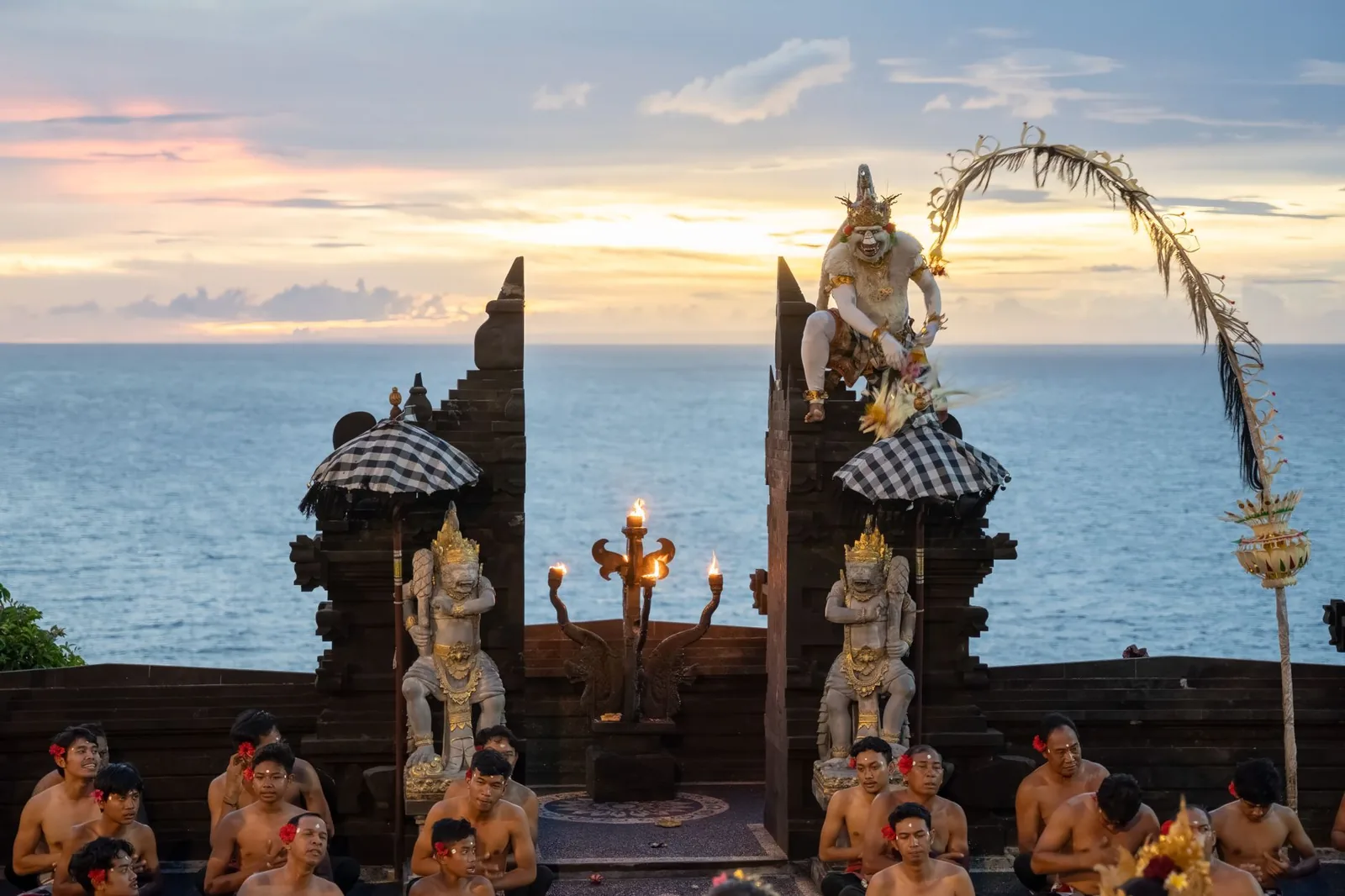
| Uluwatu and the Kecak dance | 45 to 60 min south | A clifftop temple at sunset and a fire dance in an open amphitheatre. The single best evening out from the south coast. |
| Taman Ayun | 50 min north, on the way to the lakes | The royal temple in its moat, and the quietest good temple on the island. It pairs with Tanah Lot in one afternoon. |
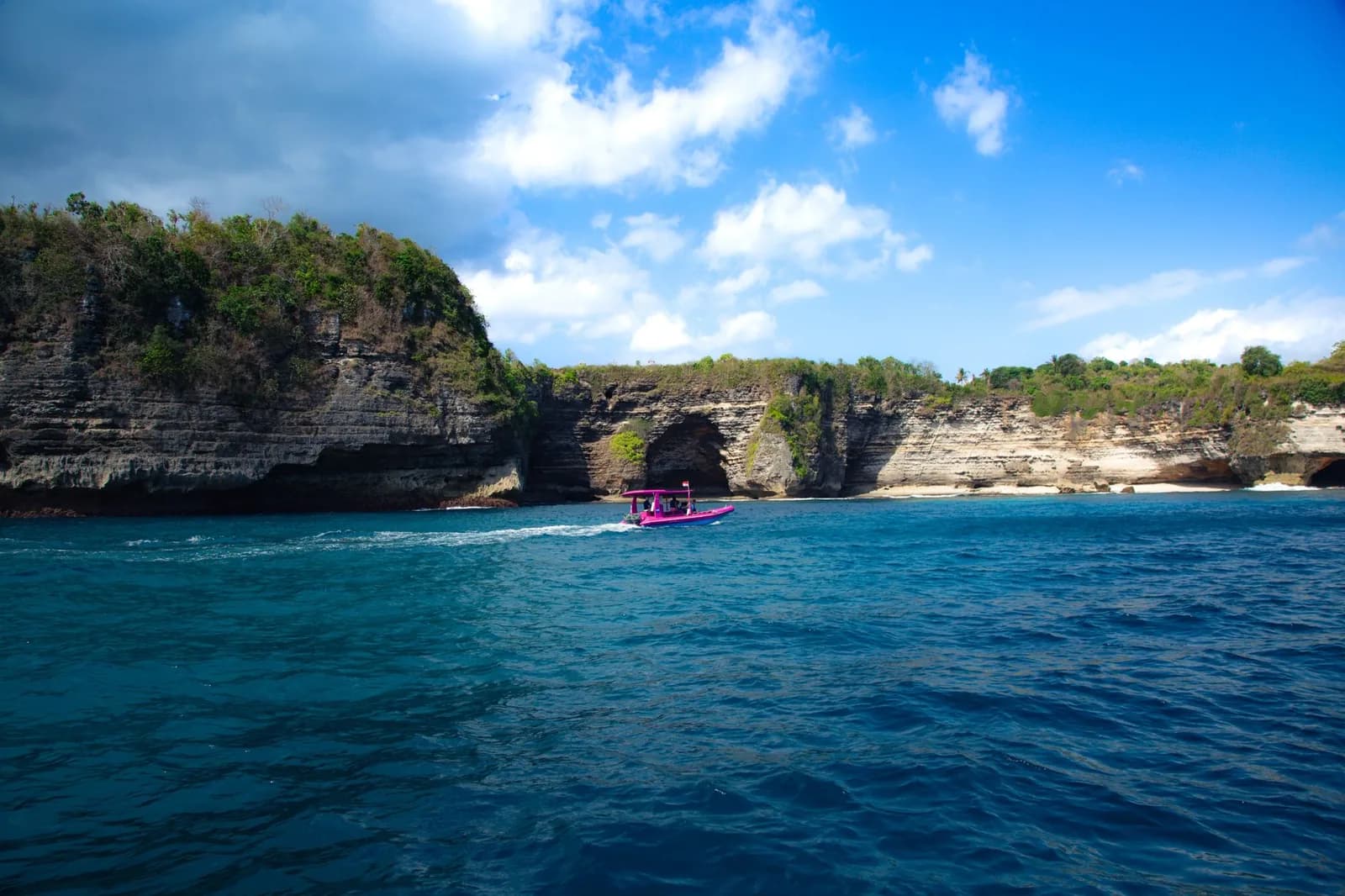
| Nusa Penida | Transfer to Sanur by 07:00, then a fast boat | Long, expensive and mostly transfers as a day trip from here. Worth knowing what it actually costs before you book it. |
| Ubud and the interior | 60 to 100 min north east, entirely traffic dependent | Terraces, temples and waterfalls. Doable in a day from Seminyak, and much better as two or three nights. |
| The waterfall belt | 2 to 3 h each way | Honestly too far for a day from Seminyak. This is the argument for moving up to Ubud partway through the trip. |
The pattern that works from here is one afternoon and evening going north to Taman Ayun and finishing at Tanah Lot for the sunset, and one going south to Uluwatu for the cliff and the Kecak dance. Two afternoons, two sunsets, and neither of them costs you a whole day. Everything further than that is an argument for moving your base rather than for leaving at five in the morning.
The two rides that decide the shape of your day
Free cancellationAirport transfers and a car with a driver
- ✓A fixed price agreed before you land, instead of the arrivals hall counter
- ✓A driver for a full day out costs about what two scooter hires do once you count fuel
- ✓Tanah Lot, Uluwatu and the north all become an afternoon rather than an expedition
- ✓Free cancellation on most listings if your flight moves
Affiliate link. Booking through GetYourGuide costs you nothing extra and supports the guide. Prices are indicative and vary by option and season.
Seminyak prices: what things actually cost
Orders of magnitude rather than prices, because prices on Bali move and a page with exact figures on it is wrong within a year.
| What you pay for | Detail | Order of magnitude |
|---|---|---|
| A room | Guesthouse in the lanes, up to a villa with a private pool on Petitenget | ≈ $30 to $250 a night |
| Airport transfer | Pre booked car for two, twenty to sixty minutes depending on the hour | ≈ $12 to $20 |
| Beach club daybed | Minimum spend for two at a headline club, redeemable against food and drink | ≈ $50 to $110 |
| Beanbag on the sand | La Plancha or any of the Double Six operators, no minimum | ≈ $4 to $8 for two drinks |
| Dinner on Eat Street | Two courses for two at a mid range restaurant, drinks on top | ≈ $30 to $60 |
| Warung meal | Nasi campur and a drink, two streets inland from the same restaurant | ≈ $3 to $5 |
| One hour massage | Street spa, not a hotel spa. Book the hotel one and multiply by four | ≈ $8 to $15 |
| Scooter hire | Per day, fuel on top, international permit with the motorcycle category required | ≈ $5 to $8 a day |
| Grab or Gojek across town | Car, Seminyak to Canggu or down to Kuta outside peak hours | ≈ $3 to $6 |
| Surf lesson | Two hours with a board and an instructor, beginner beach break | ≈ $25 to $40 |
The thing that decides a Seminyak budget is not any single line here. It is how often you eat on Jalan Kayu Aya rather than on the lane behind it. Two dinners a day at restaurant prices doubles the cost of the trip. One good dinner and one warung lunch, which is what most people settle into by the third day, keeps it closer to the numbers everyone quotes about Bali being cheap. Room rates are the other lever, and they swing hardest with the season: the month you come moves them more than the street you pick.
Seminyak, in detail
The individual guides underneath this hub, each one on a single question rather than a list.
Seminyak: frequently asked questions
The questions people arrive with, including the two the booking pages avoid.