Updated September 2026
Bali rice terraces
One is a photograph twenty minutes from Ubud, one is the landscape UNESCO actually inscribed, and several cost nothing at all. Which terrace suits your trip, what it costs, and why the month matters more than the name.
Almost every picture of Bali has a rice terrace in it, and almost every visitor goes to the same one. The terraces are not a single attraction. They are farmland spread across the slopes of three volcanoes, and the handful with a ticket gate are simply the ones that got famous.
That matters for planning, because the right terrace depends far more on where you sleep and how much of a day you will give it than on which one is prettiest. A morning from Ubud and a half day from Seminyak lead to different answers.
This page sorts them out, and deals with the thing nobody mentions before you go: rice is a crop on a schedule, and in the wrong week the most famous valley on the island is brown stubble.
The terraces, side by side
Distance from your bed is the column that decides. A terrace ninety minutes away is a half day, whatever the listing says, and the famous one twenty minutes from Ubud is a completely different visit at seven and at ten.
| Terraces | Where | What it is like | What you pay | Crowds | For whom |
|---|---|---|---|---|---|
| Tegallalang | 20 min north of Ubud | A steep, narrow amphitheatre, heavily photographed | Small gate fee, then donation posts on the paths | Busy from 09:00 | One morning, based in Ubud, the famous photograph |
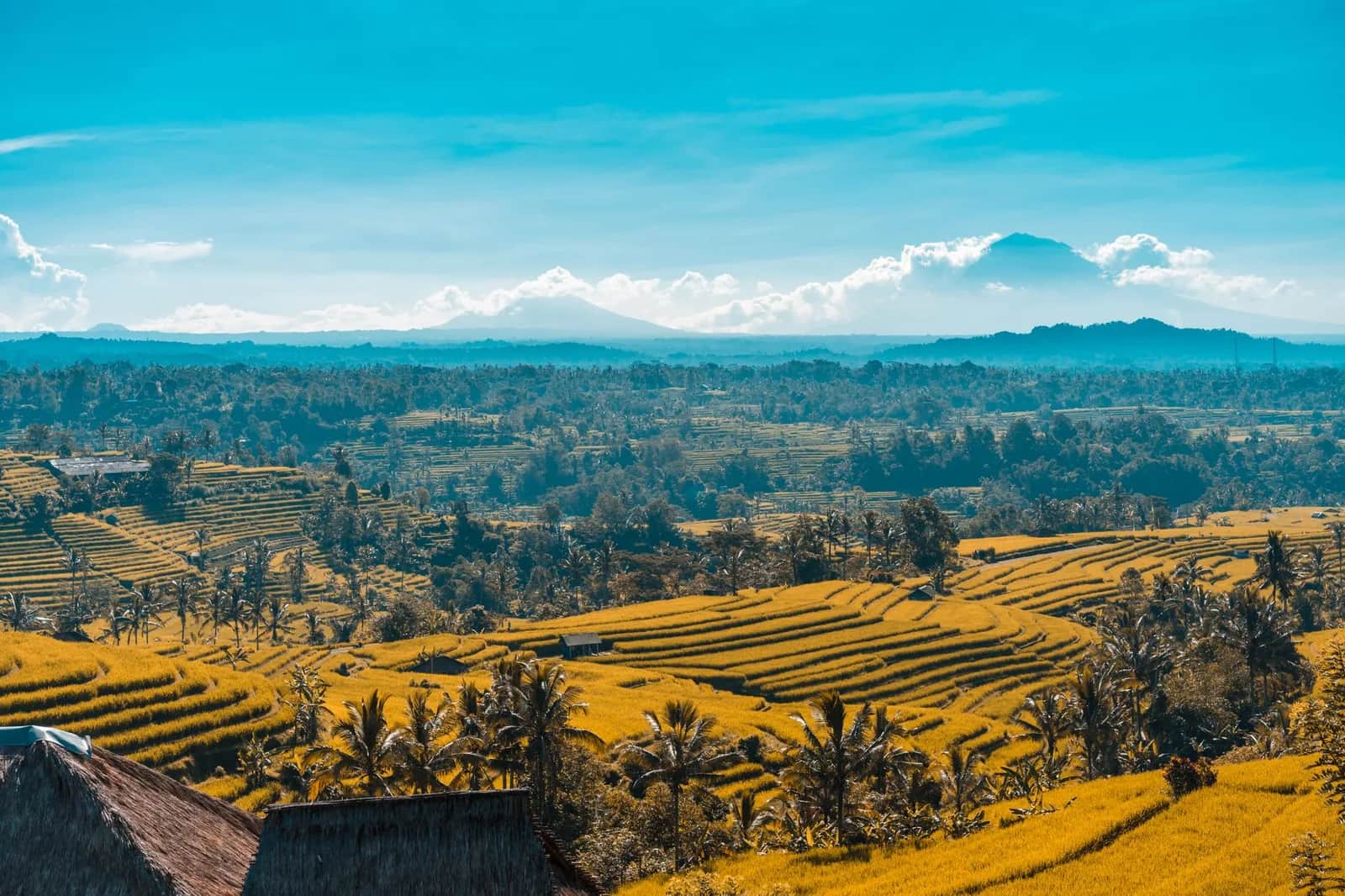
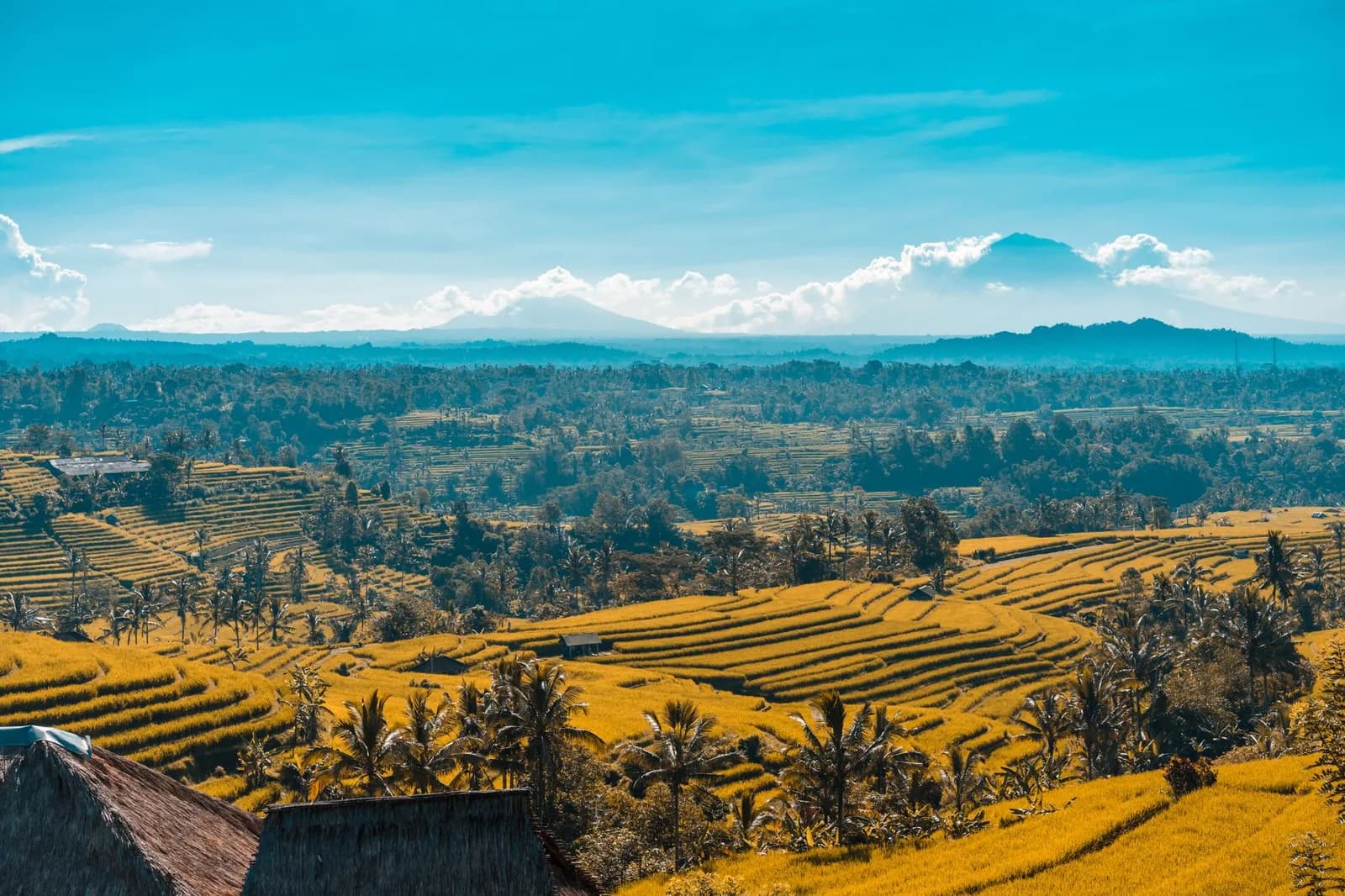
| Jatiluwih | Tabanan, 90 min from Ubud or the south | An open plateau of terraces under Mount Batukaru | One ticket, around 75,000 IDR at our last check | Quiet, even at midday | Walkers, the UNESCO landscape, a proper half day |
| Sidemen | East Bali, 75 min from Ubud | A farming valley with Mount Agung at the end of it | Free, or a village guide for a couple of hours | Almost nobody | A second trip, a night or two in the fields |
| Munduk | The northern highlands, 2 h from the south | Small terraces in jungle and morning mist, cool air | Free to walk; the waterfalls nearby charge | Quiet | Combined with waterfalls and the lake temples |
| Campuhan and Kajeng | Inside Ubud, on foot | Ordinary working paddies at the end of a town walk | Nothing | Joggers at dawn, few people after | No scooter, no budget, twenty spare minutes |
Prices move, and Jatiluwih’s ticket has risen several times in recent years. Carry around 100,000 IDR a head in cash and you will not be caught short at either gate.
The guides
Each with the honest version: every payment on the path, the hour that makes it work, and the months the valley is not green.
Which one is yours
You are in Ubud and you have one morning
Tegallalang, at opening. It is the most dramatic terrace landscape within half an hour of town, and by ten it is a queue on a one-person path. Read our Tegallalang guide before you go, mostly for the part about how many times you will be asked for money on the way down.
You want to walk, and you can give it half a day
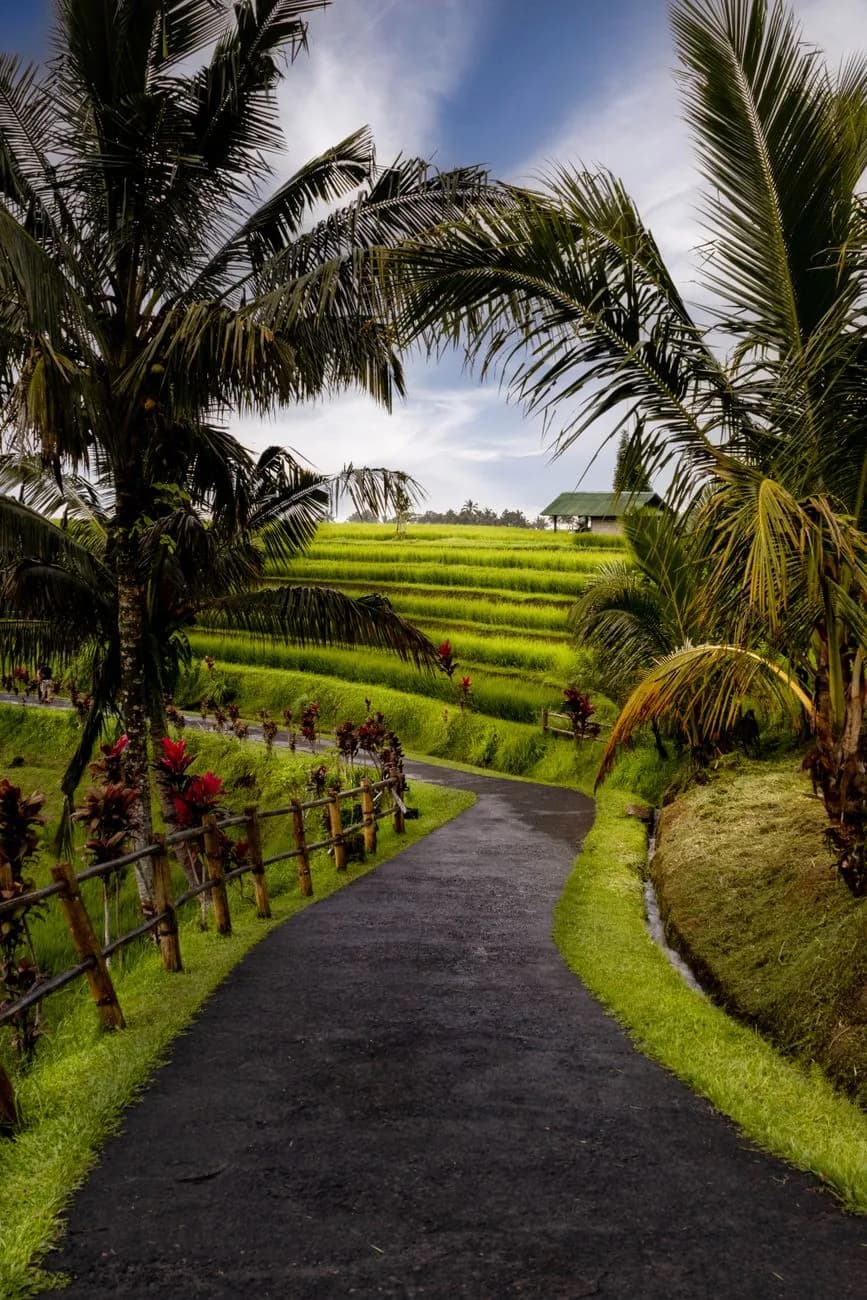
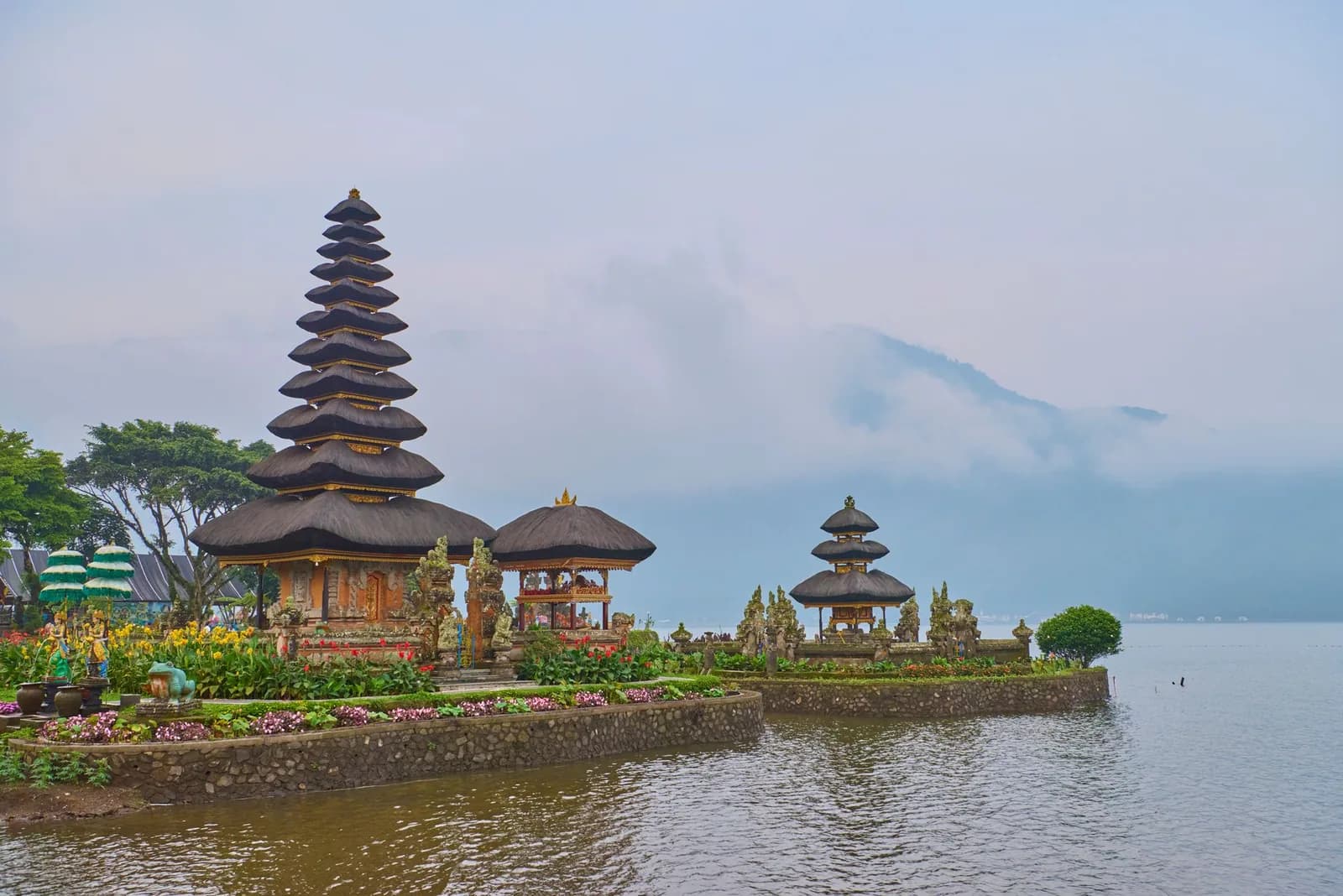
Jatiluwih. Terraces spread over a whole plateau rather than one valley, marked loops from a short stroll to a couple of hours, and more farmers on the paths than visitors. It sits on the same side of the island as Ulun Danu Beratan and Taman Ayun, which is how a day in the west builds itself.
You have no scooter and no budget
Walk out of Ubud. The Campuhan Ridge Walk ends in the paddies of Bangkiang Sidem after twenty minutes, and the Kajeng path starts two streets from the palace. Nothing to pay, nothing to drive, and ordinary working fields rather than a show.
You have been before and want it without the crowd
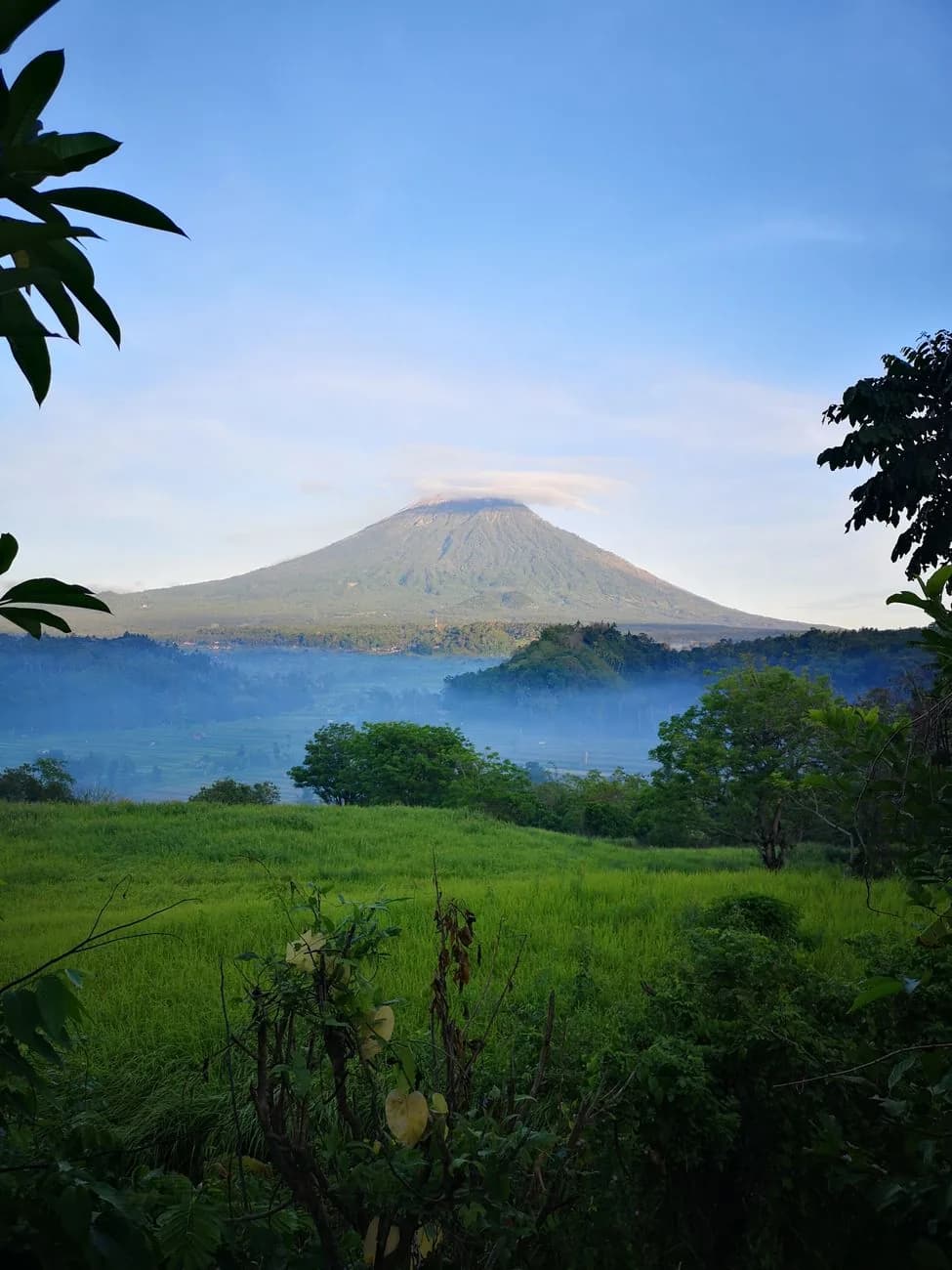
Sidemen, for a night. A valley of farms in the east with no ticket desk and no route laid out for visitors. You walk the ridges alone or with a guide from the village, and the reason to sleep there is the first hour of light, with Mount Agung standing over the fields. It pairs naturally with Besakih.
You are heading north anyway
Munduk, or the road through Pupuan. The terraces up there are smaller and folded into jungle, often in mist, and the air is noticeably cooler than on the coast. Nobody drives up for the rice alone: it comes with the northern waterfalls and the lake temples, and the Pupuan road turns the drive itself into the visit.
You only want the swing photograph
That is a separate business. The swings sit on the ridges around Tegallalang but they are their own gate, their own queue and their own price. Our Bali swing guide compares the operators.
The terraces worth the drive, with the drive solved
Free cancellationJatiluwih and west Bali day trips
- ✓Usually combined with Ulun Danu Beratan and Tanah Lot, the three big sites of the west in one day
- ✓Hotel pickup from Ubud or the south, which is the whole difficulty of reaching Jatiluwih
- ✓Check whether the Jatiluwih ticket is included, because on many listings it is not
- ✓Free cancellation on most listings, useful in the wet season
Affiliate link. Booking through GetYourGuide costs you nothing extra and supports the guide. Prices are indicative and vary by option and season.
Green, gold or stubble: when to go
The single largest source of disappointment, and the one no listing warns about.
A rice crop takes roughly four months. A plot is flooded and ploughed, planted, bright green for most of the growth, gold in the weeks before harvest, then cut to stubble and left for a while before it starts again. Most Balinese terraces run two or three crops a year.
The subak next door does not plant on the same day, which is why a valley is often a patchwork of three colours at once, and why no month is green everywhere. What you can plan around is the sky and the ground. The dry season, April to October, gives clear mornings and firm ridges. The wet season gives deeper green, standing water that reflects the sky, and paths you will slide on.
Whatever the month, the hour decides more than the season. Between about 06:30 and 08:30 the low light draws every step and the paths are empty. At noon there is no shade, the photographs are flat and the ridges are full.
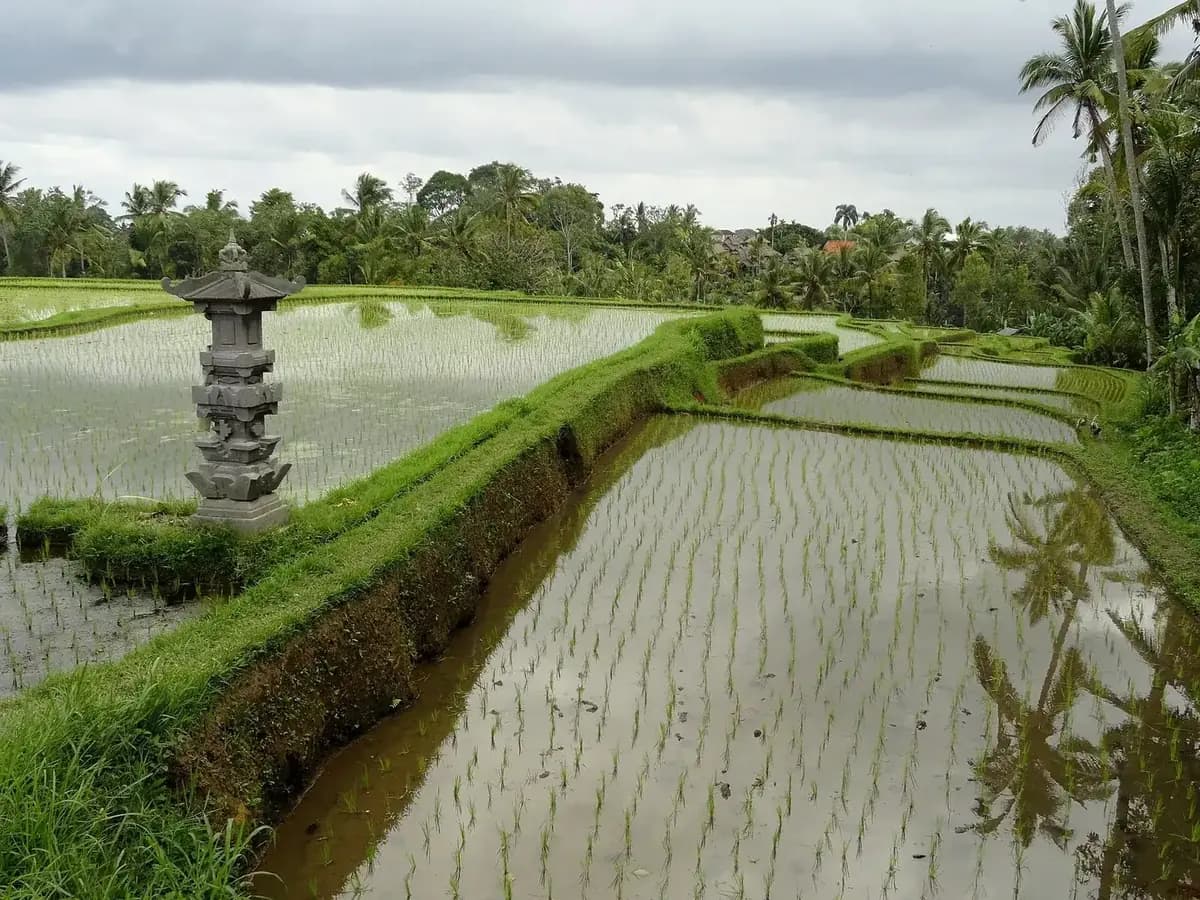
The flooded stage, just after planting. For a few weeks the terraces are mirrors, and the small shrine at the corner of the plot is an offering to Dewi Sri, the rice goddess.
Subak, and what UNESCO actually listed
The terraces exist because of subak, a system of irrigation cooperatives documented on Bali for more than a thousand years. Water leaves the crater lakes, runs through channels and tunnels, and is shared field by field on a calendar the farmers agree together, with a water temple at the head of each system. Because water reaches the lowest plot only by passing through every plot above it, nobody can take more than their share without the whole slope noticing.
The religious half of the same machine is easy to visit: the spring at Tirta Empul feeds the Pakerisan watershed, and the lake temple of Ulun Danu Beratan governs the water of the west.
Somebody’s farm: the rules and the traps
Nothing here is dangerous. A few habits cost you money or cost a family part of its harvest, and knowing them is enough.
Stay on the ridges
The earth walls between plots are the path. Stepping down into a planted plot for a photograph damages the crop of whoever farms it, and the retaining walls are packed earth that someone repairs by hand.
The donation posts at Tegallalang
The valley belongs to several families, and each has a box where the path crosses its land. It is not a scam, but nothing is priced in advance. Carry small notes and decide before you set off how far down you will go.
The photograph that turns out to be paid
Giant nests, flower frames, a farmer’s hat held out on the path: most of it ends with a price announced after the shot. Ask first, and every time.
The coffee stop you did not ask for
On the road north of Ubud, plantations pay drivers to bring visitors in. The tasting is free and the hour is not. Say when you book that you want no shopping stops.
Bali rice terraces: common questions
What is the best rice terrace in Bali?
Which Bali rice terrace is a UNESCO World Heritage site?
When are the rice terraces green in Bali?
Tegallalang or Jatiluwih?
Do you have to pay to visit rice terraces in Bali?
Where are the rice terraces in Bali?
What should you wear to walk through rice terraces?
Read next
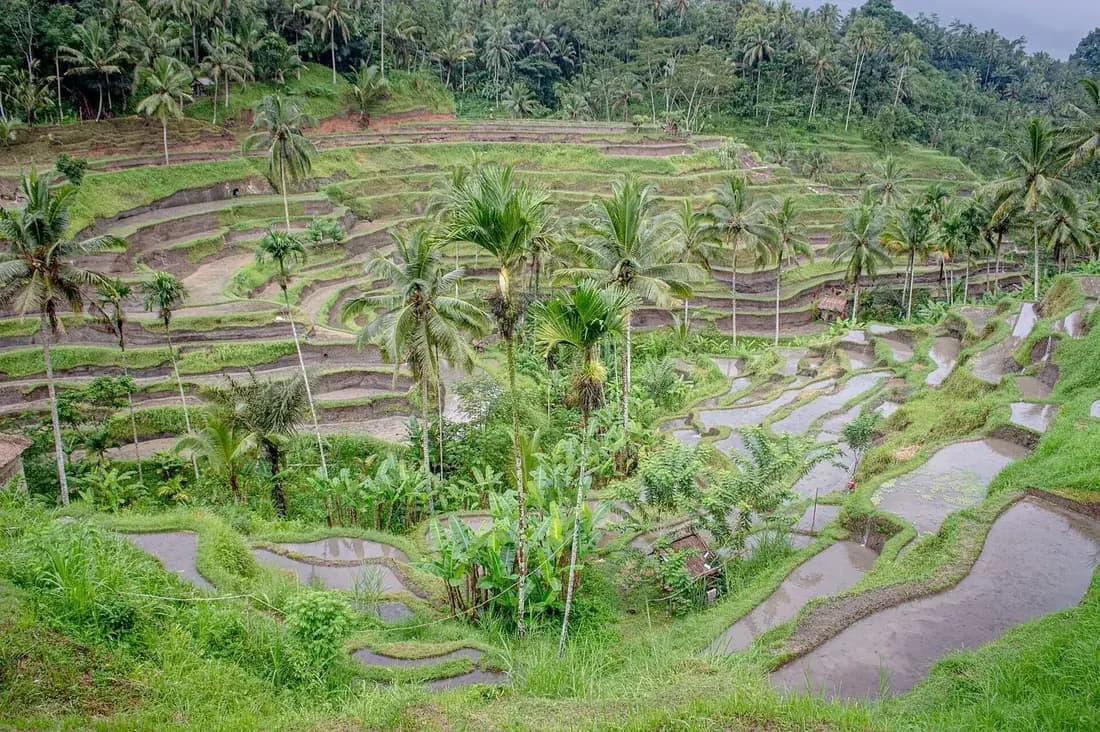
Tegallalang
Every payment on the way down, and the months the valley is not green.
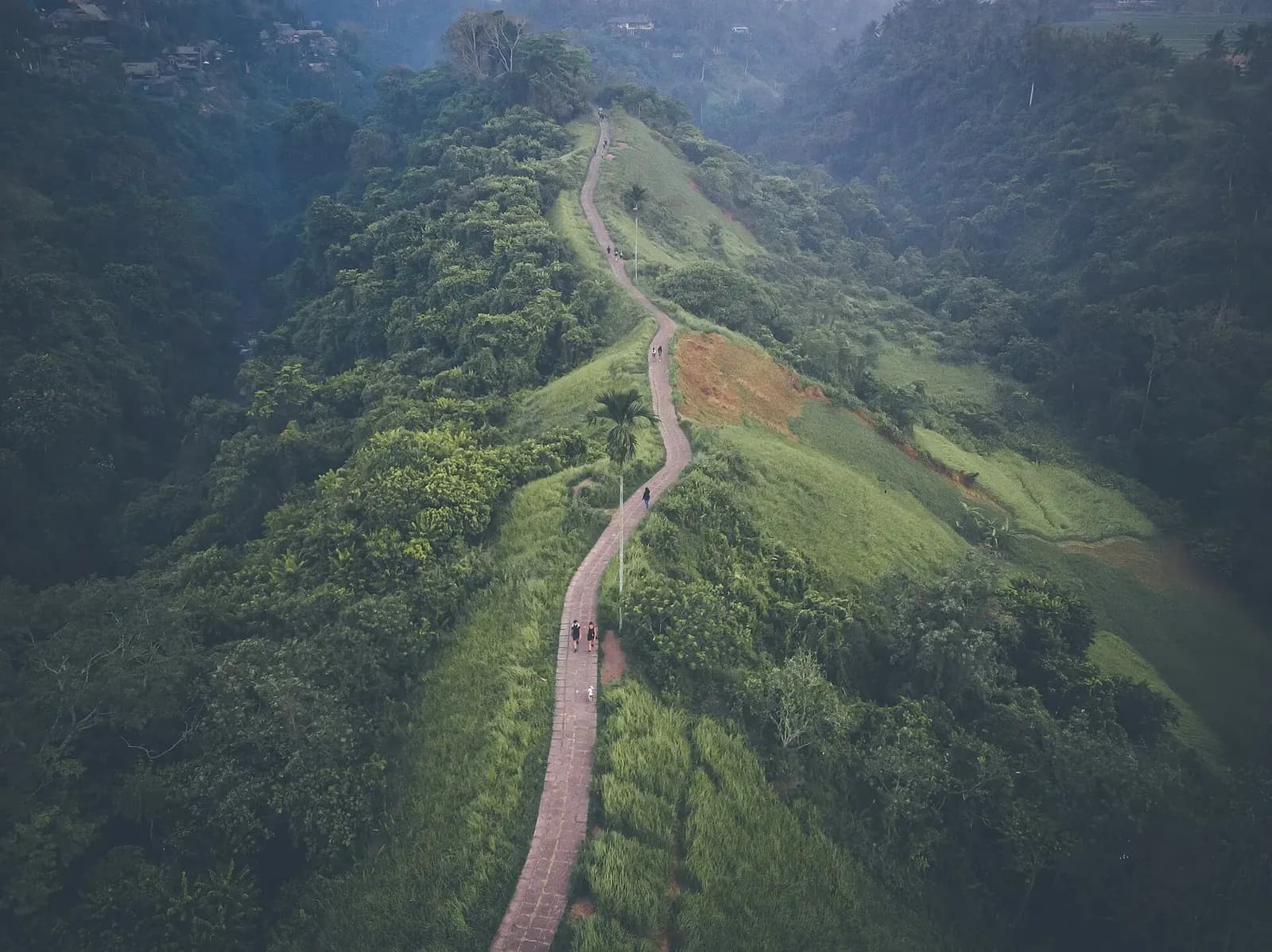
Campuhan Ridge Walk
The free walk out of Ubud that ends in working paddies.
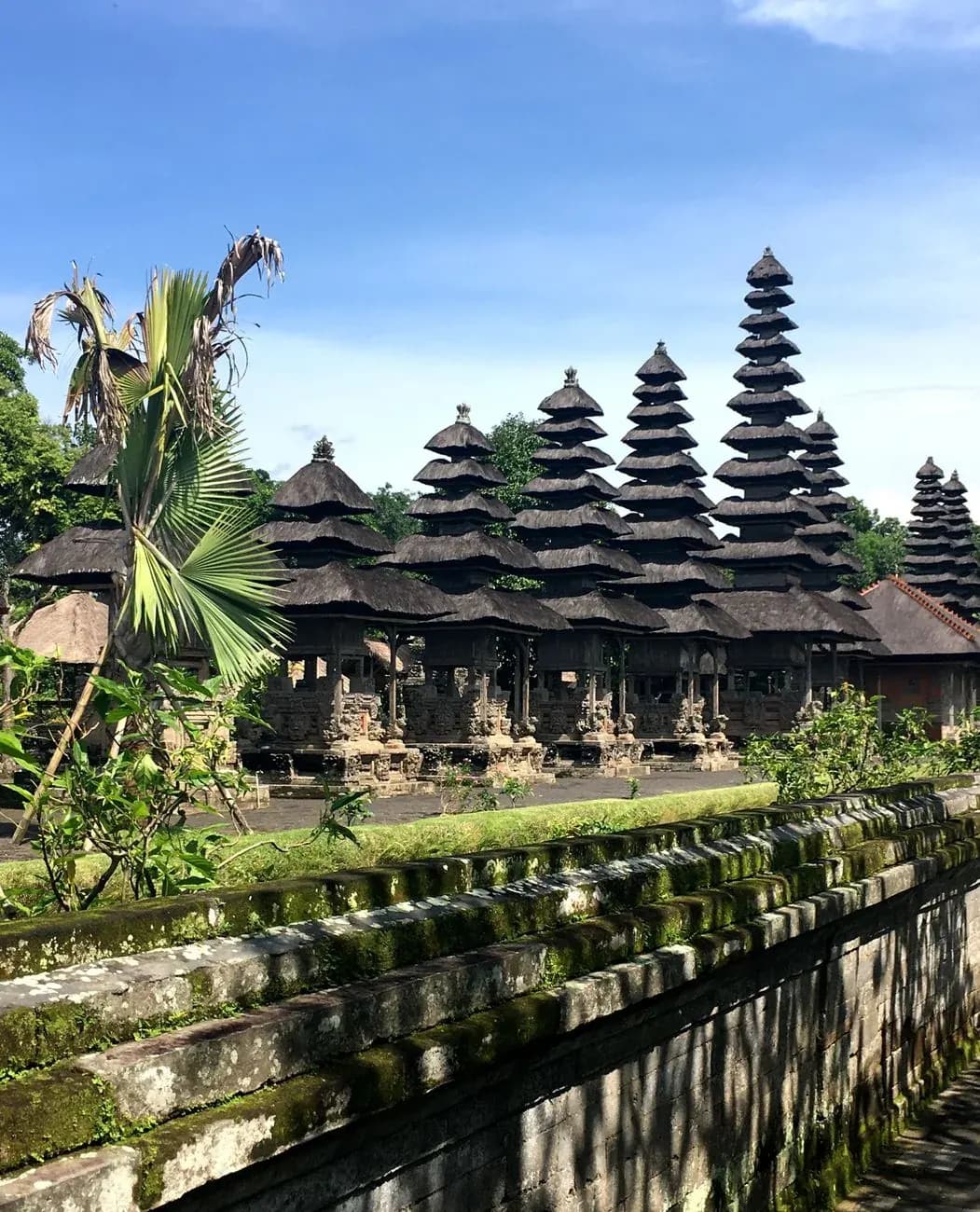
Taman Ayun
The royal water temple, and one of the sites on the UNESCO list.
Ulun Danu Beratan
The lake temple that governs the water of the west, on the road to Jatiluwih.
Bali weather by month
Where the rain falls and when, across the whole island.
Bali volcanoes
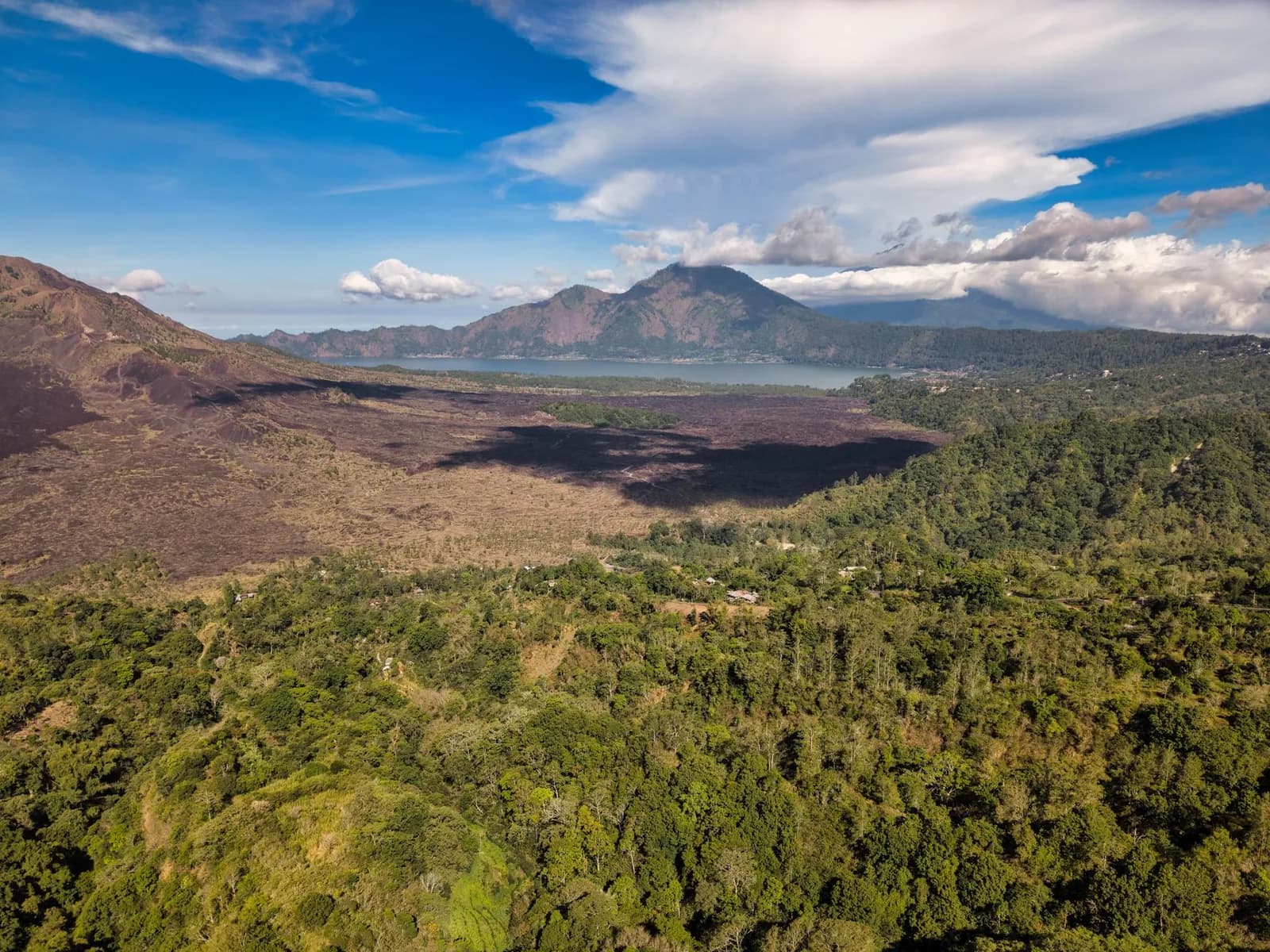
The mountains whose soil and water the terraces depend on.