Bali belly is travellers' diarrhoea caught in Bali: loose stools, cramps and sometimes vomiting, from bacteria or viruses in food, water or ice. It is common, usually over in two to seven days, and treated with rehydration salts that cost Rp 1,000 at any pharmacy. What follows is checked against the CDC's 2026 guidance and Bali's own clinics, with pharmacy prices in rupiah.
On this page
What is Bali belly?
Bali belly is the nickname Australians gave to travellers' diarrhoea in Bali. Doctors call it the same thing in Mexico, India or Thailand: the names change (Delhi belly, Montezuma's revenge), the illness does not. You swallow a germ your gut has never met, in food, water or ice contaminated with faeces, and your body spends a few days throwing it out.
It is not rare bad luck. The CDC puts the share of travellers who get diarrhoea in high-risk regions at 30 to 70% over a two-week trip, depending on destination and season. A doctor at Sanur Medical Clinic told the ABC in December 2025 that each of their clinics treats more than 100 foreign tourists for it in high season.
Is Bali belly a virus, bacteria or parasite?
Usually bacteria. According to the CDC, bacteria cause 75 to 90% of travellers' diarrhoea, with enterotoxigenic E. coli (ETEC) the most common, followed by Campylobacter, Shigella and Salmonella. Viruses, mostly norovirus, account for 10 to 25%. Parasites such as Giardia cause around 10%, and they are the ones that drag on.
Bali belly vs food poisoning: what is the difference?
Food poisoning is caused by a toxin already present in the food, from bacteria such as Staphylococcus aureus or Bacillus cereus. It hits within a few hours, often with violent vomiting, and is usually over in a day. Bali belly is an infection: the germ has to multiply in your gut first, so it typically starts 6 to 72 hours after the meal and lasts longer. In practice the two overlap, and the treatment is the same: fluids and salts.
Bali belly symptoms: how do you know you have it?
The usual picture, from the CDC and BIMC Bali:
- Three or more loose or watery stools in 24 hours, often urgent.
- Stomach cramps and bloating.
- Nausea, and vomiting in some cases (more often with a virus).
- A low fever, tiredness, no appetite.
The CDC sorts cases into three levels, and it is a useful way to decide what to do. Mild: unpleasant, but you can carry on. Moderate: it stops you doing what you planned. Severe: you are stuck in bed or near a toilet, or there is blood in the stool. Mild needs fluids, moderate can justify an antidiarrhoeal, severe needs a doctor.
How does Bali belly start? The symptoms timeline
A toxin can make you sick within a few hours. Bacteria and viruses take 6 to 72 hours, sometimes up to four days, which is why many people feel fine on the first evening and are struck down on day two or three. Parasites take one to two weeks, so they can start on the flight home.
Is Bali belly dangerous?
For a healthy adult, rarely. The danger is dehydration, which comes faster in the heat and is harder on young children, older travellers, pregnant women and anyone with diabetes, bowel disease or a weak immune system. BIMC also lists people who take antacids long term, since less stomach acid lets more germs through. A small number of people keep an irritable bowel for months afterwards, which the CDC calls post-infectious IBS.
How long does Bali belly last?
Most cases are over within a week. BIMC Bali puts it at 90% of cases resolving in under seven days. The CDC breaks it down by cause:
| Cause | Detail | Order of magnitude |
|---|---|---|
| Virus (norovirus, rotavirus) | 10 to 25% of cases. Vomiting is common, often starts within a day of the bad meal. | 2 to 3 days |
| Bacteria (E. coli ETEC, Campylobacter, Shigella, Salmonella) | 75 to 90% of cases. Antibiotics, when a doctor prescribes them, cut it by a day or two. | 3 to 7 daysuntreated |
| Parasites (Giardia and other protozoa) | Around 10% of cases. Symptoms can start one to two weeks after the meal. | Weeks or monthsuntreated |
You rarely know which one you have without a stool test. A rough guide: lots of vomiting, over in a day or two, is probably a virus. Watery diarrhoea and cramps for several days point to bacteria. Soft, greasy stools and gas still there after a week, think parasite.
Bali belly parasite: when it lasts more than a week
Diarrhoea beyond seven days, weight loss, sulphur-smelling burps or bloating that comes and goes all point towards Giardia or another protozoan. Ordinary antidiarrhoeals will not touch it. A clinic in Bali, or your GP at home, can run a stool test and prescribe the right drug.
Bali belly after returning home
Symptoms that start after you land at home are still worth mentioning as Bali belly to your doctor. Say where you have been and when: it changes which tests they order, and a parasite will not show up unless they look for it.
Bali belly medicine: what to buy at a Bali pharmacy
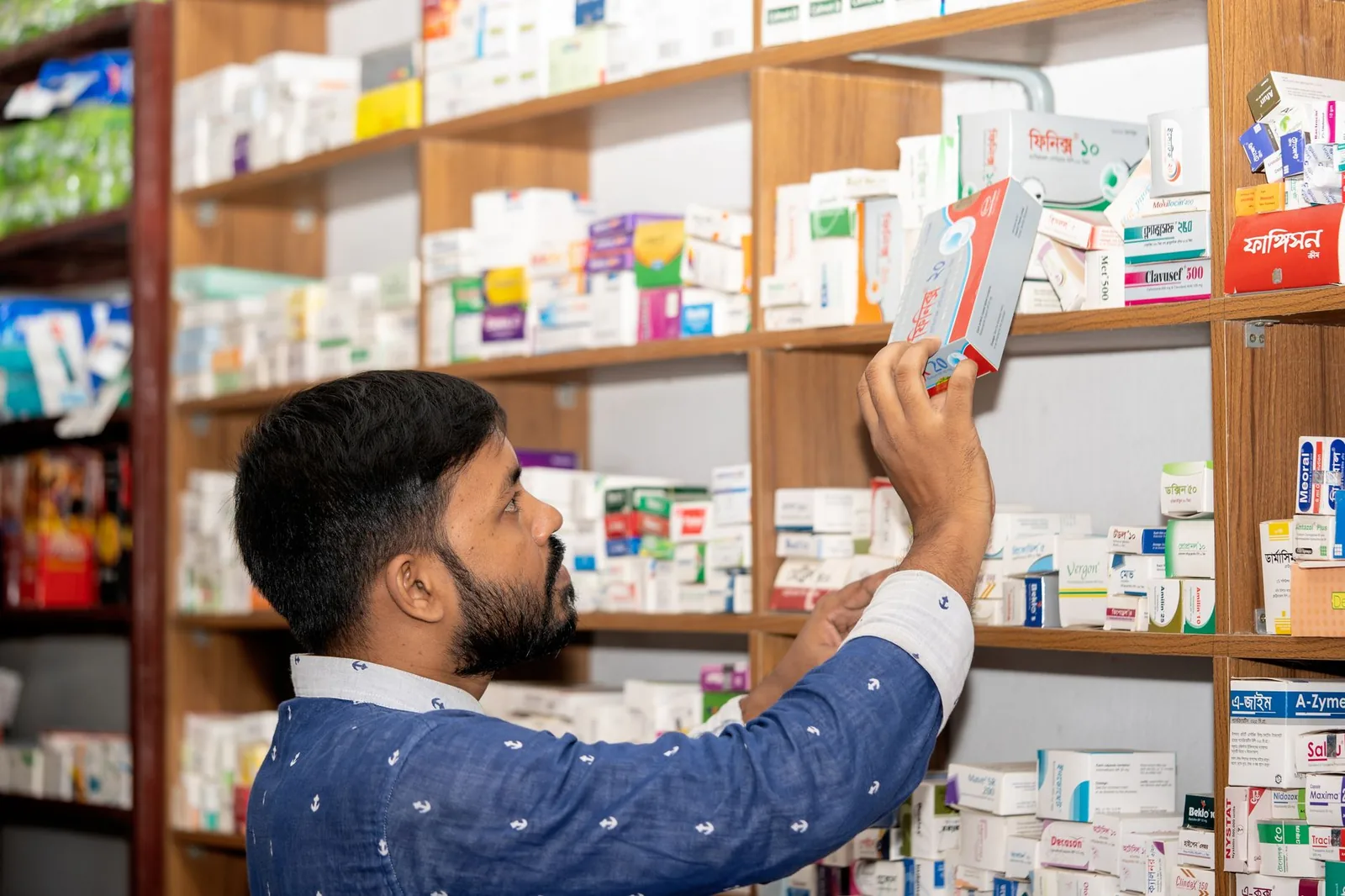
Every street in the tourist areas has an apotek (pharmacy), often a Kimia Farma, Guardian or K24, and convenience stores like Circle K and Indomaret stock the basics. These are the products you will be offered, with prices found on Indonesian pharmacy sites in 2026. Shops in Seminyak or Ubud may charge more.
| Product | Detail | Order of magnitude |
|---|---|---|
| Oralit | Oral rehydration salts. One sachet in about a litre of bottled or boiled water. The one product that treats the real danger, dehydration. | Rp 1,000 a sachetUS$0.06 · C$0.08 |
| Entrostop / Neo Entrostop | Attapulgite and pectin, made by Kalbe since 1972. Sold over the counter. Pack dose: 2 tablets after each loose stool, no more than 12 in 24 hours. | Rp 8,000 to 11,000 a stripUS$0.45 to 0.61 · C$0.64 to 0.88 |
| New Diatabs | Attapulgite, the cheaper alternative to Entrostop. | Rp 3,000 to 4,000 a stripUS$0.17 to 0.22 · C$0.24 to 0.32 |
| Diapet | Herbal capsules (guava leaf, turmeric, pomegranate rind). Popular with Indonesians, mild. | Rp 5,000 for 10 capsulesUS$0.28 · C$0.40 |
| Norit | Activated charcoal. Reclassified as a traditional remedy in 2026 but still on pharmacy shelves. Turns stools black. | Rp 15,500 to 40,000US$0.86 to 2.23 · C$1.23 to 3.19 |
| Imodium 2 mg (loperamide) | Listed as obat keras (prescription only) in Indonesia. Some pharmacies sell it anyway, others will not. | Rp 79,800 to 126,300 for 10US$4.45 to 7.05 · C$6.36 to 10.06 |
Indicative prices from K24Klik (June 2026), Halodoc and Klikdokter. Converted at the rate of 12 October 2026: Rp 17,924 to US$1, US$1 to C$1.43.
Is Imodium sold over the counter in Bali?
Not officially. Loperamide, the drug in Imodium, is registered in Indonesia as obat keras, a prescription medicine. Some pharmacies in tourist areas sell it to anyone who asks, others refuse, and the box costs ten times an Entrostop strip. The simple answer is to pack a strip from home, where it is sold over the counter in the US, Canada and Australia.
Use it for convenience, not as a cure: before a flight or a long drive. The CDC caps it at 16 mg a day and advises against taking it alone if you have a fever or blood in your stool, because slowing the gut keeps the germ in. BIMC Bali makes the same point.
Antibiotics for Bali belly: azithromycin and when you need it
Antibiotics are for severe cases, and a doctor should decide. Some Bali pharmacies will sell them without a prescription, which is exactly how resistance spreads. For severe travellers' diarrhoea in Southeast Asia the CDC recommends azithromycin, because Campylobacter in the region is widely resistant to ciprofloxacin, the antibiotic older guides still mention. If you travel with a standby course prescribed at home, it should be azithromycin.
Bali belly IV drip: the villa visit
Bali has a whole industry of nurses who come to your villa with a rehydration drip, sold under names like "Bali belly rescue". Directory prices run from Rp 1.1 to 2.2 million (US$61 to 123 · C$88 to 175). It works fast if you cannot keep fluids down, but it is not a medical assessment: with blood, high fever or severe pain, go to a clinic instead.
Bali belly treatment: what to drink and eat
The CDC is blunt about it: the treatment for most travellers' diarrhoea is replacing fluids and salts, and everything else is optional. Drink small amounts, often, even if you vomit some of it.
What drink settles a Bali belly stomach?
- Oralit or any oral rehydration salts: the right balance of salt and sugar to absorb water. One sachet in about a litre of bottled water.
- Pocari Sweat, sold in every minimarket: lighter in salt than a proper rehydration solution, fine for a mild case.
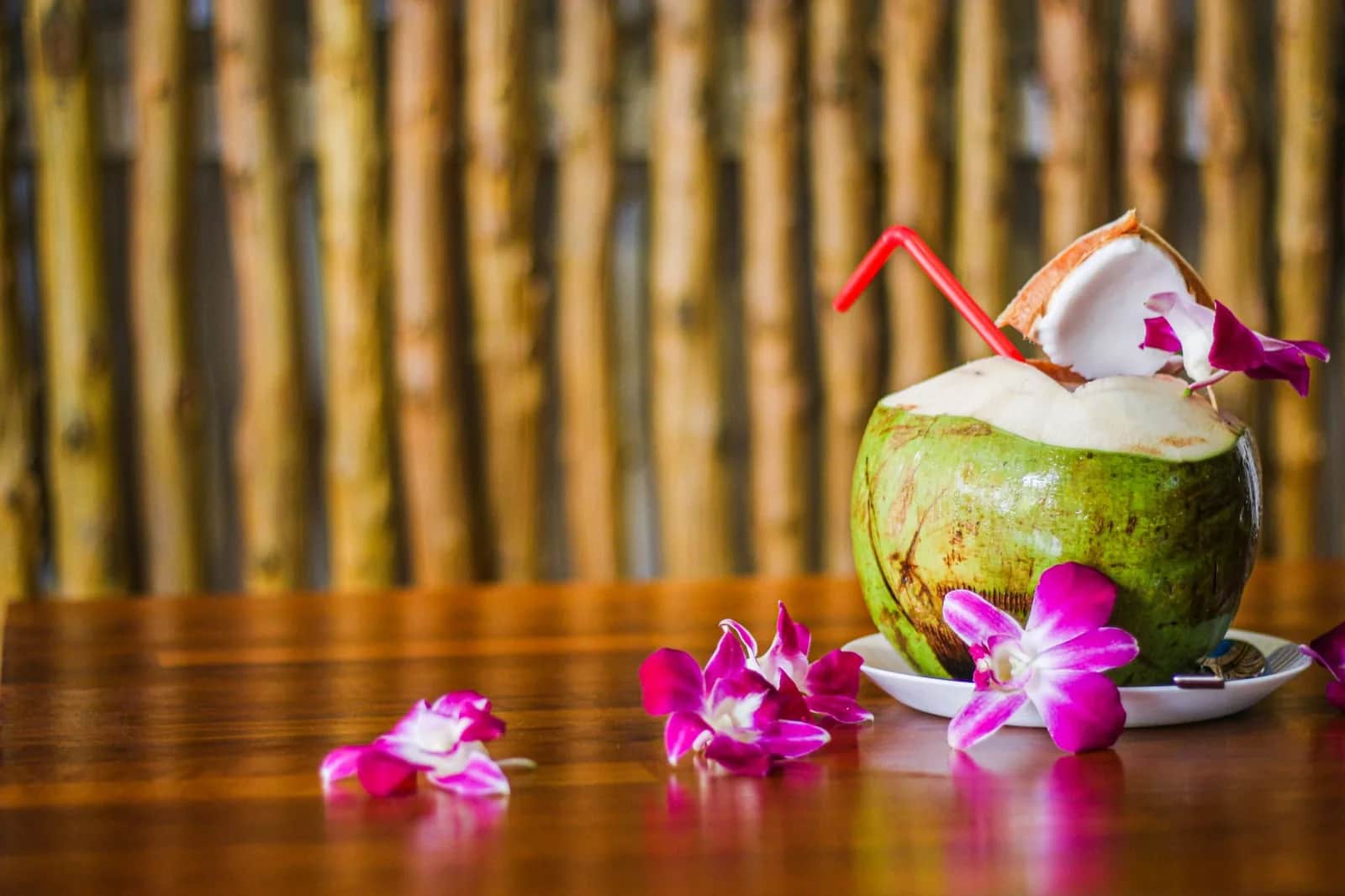
- Young coconut water (es kelapa muda, ask for it without ice): naturally rich in potassium.
- Not Coke, juice or beer. Flat Coke is an old family remedy, but large amounts of sugar draw water into the gut and can make the diarrhoea worse. Alcohol dehydrates you further.
What to eat with Bali belly
Eat when you feel like it, not before. Plain rice, bubur ayam (rice porridge with chicken, sold for breakfast everywhere), bananas, toast, clear soup and boiled eggs are easy on the gut. Plain yoghurt and probiotics are on BIMC's list of foods that help. Leave sambal, fried food, coffee and milk for a day or two after the symptoms stop.
When to see a doctor for Bali belly
Most Bali belly ends without one. These signs, listed by BIMC Bali and the travel insurers' medical teams, mean you should not wait:
- Blood or mucus in the stool.
- A high fever, or shivering.
- Severe or constant abdominal pain.
- Vomiting that stops you keeping any fluid down.
- Signs of dehydration: very dark or rare urine, dry mouth, dizziness when you stand up, confusion.
- No improvement after three days, or diarrhoea past a week.
- A baby, a young child, a pregnant traveller, or anyone with a chronic illness who is getting worse.
Bali hospitals and clinics for Bali belly, and what they cost
The main hospitals foreign visitors use are BIMC (Kuta and Nusa Dua), Siloam (Denpasar, near Kuta), Kasih Ibu and the new Bali International Hospital in Sanur. For an ordinary case a tourist clinic in Seminyak, Canggu, Sanur or Ubud is enough, and many will come to your villa. Bali clinics expect payment or an insurance guarantee before treatment, so have your policy number at hand.
None of them publishes its prices. These are the ranges travellers and expat guides report in 2026:
| Where | Detail | Order of magnitude |
|---|---|---|
| Pharmacy (apotek) visit | Rehydration salts and an antidiarrhoeal, no consultation fee. | Under Rp 50,000US$2.80 · C$4 |
| Consultation at a private clinic | Tourist clinics in Kuta, Seminyak, Canggu, Sanur and Ubud. Estimate, not a published rate. | Rp 450,000 to 1.1 millionUS$25 to 60 · C$36 to 86 |
| Rehydration drip at your villa or hotel | Nurse visit with an IV bag, sold as a Bali belly drip. Directory prices, confirm before booking. | Rp 1.1 to 2.2 millionUS$61 to 123 · C$88 to 175 |
| Emergency department, international hospital | BIMC, Siloam, Kasih Ibu, Bali International Hospital. Estimate before tests and admission. | Rp 2.7 to 5.4 millionUS$150 to 300 · C$214 to 428 |
A night in hospital on a drip, with tests, quickly runs to several hundred US dollars, which is where travel insurance earns its price. For how this fits in a daily budget, see what a Bali trip really costs.
What causes Bali belly?
Germs from faeces reaching your mouth, through water, ice, food or hands. Bali's heat and humidity let bacteria multiply fast in anything left out, and a gut that arrived on a plane two days earlier has no defence against local strains. The common routes:
Can you get Bali belly from tap water?
Yes. Tap water in Bali is not safe to drink, in hotels as well as homes. The doctor interviewed by the ABC advises against using it even to brush your teeth, and that is the rule to follow. Drink sealed bottled water or the filtered water from refill stations most hotels and cafes now offer. Swallowing water while swimming in a river or during white water rafting is another way in.
Can you get Bali belly from ice?
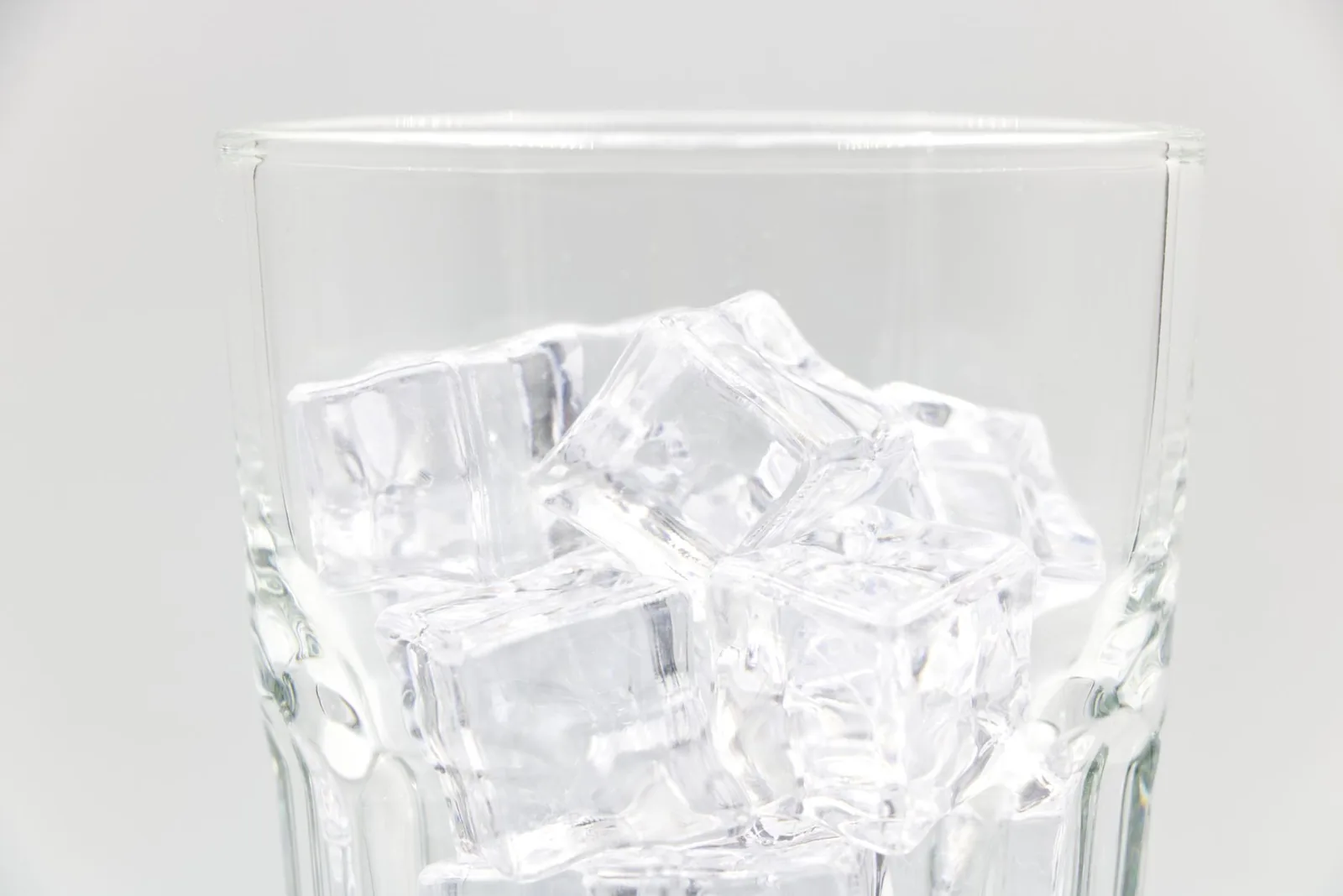
Yes, if the ice is made from tap water. Restaurants and bars that cater to visitors mostly buy factory "tube" ice, recognisable by its cylindrical cubes with a hole in the middle. Roadside stalls and markets often chip ice from large blocks, which may be made with untreated water: an Indonesian study in Padang found 88.9% of market block-ice samples failed the coliform standard. The hole in the cube is a good sign, not a guarantee. On the street, the Sanur clinic's advice is to choose drinks cold from the fridge instead of poured over ice.
Raw salads, cut fruit and buffets
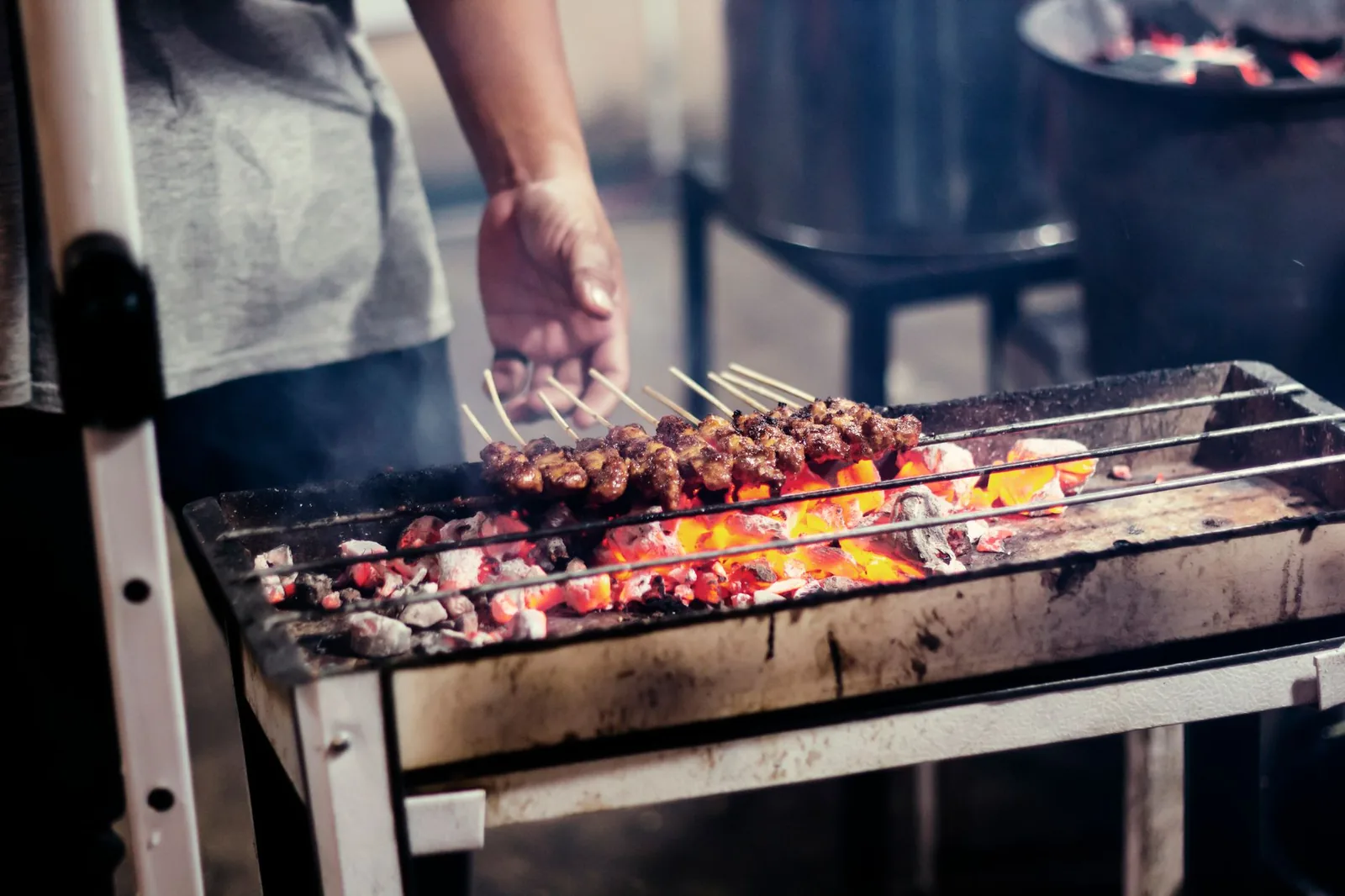
Salad leaves and herbs washed in tap water, fruit cut in advance, and food kept lukewarm for hours on a buffet are classic sources. Smoothie bowls and juices made with unwashed fruit or ice count too. Street food is not the main danger: a sate grilled in front of you is safer than a hotel buffet salad that has sat in the heat since breakfast.
Why don't locals get Bali belly?
They do, as children, and then they build up partial immunity to the local strains. Visitors arrive without it, which is why the same plate can leave a Balinese friend fine and you in bed. That immunity does not develop in a two-week holiday.
How to avoid Bali belly
The CDC is honest that "boil it, cook it, peel it or forget it" lowers the risk without removing it. These habits make the biggest difference:
- Drink sealed bottled water or filtered refill water, and brush your teeth with it.
- Wash your hands with soap before eating. Hand gel needs 60% alcohol and works poorly on norovirus.
- Skip ice at stalls and markets. Where you see tube ice, it is usually fine.
- Eat food served steaming hot, and be wary of buffets that have been out for hours.
- Peel your own fruit. Avoid raw salads at places you do not trust.
- Wipe the rim of cans and bottles, and keep your mouth shut in the shower and the pool.
- Do not take antibiotics as prevention: the CDC advises against it for most travellers.
Pack a small kit from home: rehydration sachets, a strip of loperamide, hand gel and, if your doctor agrees, a standby antibiotic. It costs little and saves a search for an open pharmacy at night.
Is Bali belly contagious?
Yes, depending on the germ. Norovirus spreads very easily between people sharing a villa, and Giardia and Shigella pass through hands too. If one of you is sick, use separate towels, wash hands with soap after the toilet, and let someone else do the cooking.
Is Bali belly covered by travel insurance?
In most policies, yes: it is an illness abroad, and the medical section of a travel policy pays for the clinic, the tests, the drip and a hospital stay, minus any excess. Australian insurers' own pages, from Cover-More to 1Cover, say so plainly. It is also one of their most frequent claims.
What Bali belly claims cost travel insurers
Southern Cross Travel Insurance reported in August 2025 that Bali belly claims rose 79% in January 2025 compared with a year earlier, and that Indonesia accounted for 56% of all its gastro claims. The average gastro claim in Bali came to a little over US$700 (about C$990), with a range from about US$15 to US$20,900 (C$21 to C$29,800). Cover-More counted 1,457 gastro claims from its customers in 2017, costing almost US$1.4 million (C$2 million) in emergency medical bills.
The large claims are the hospital admissions: a few nights on a drip with tests at an international hospital. Without cover, that bill is yours, and Bali hospitals ask for a deposit or a guarantee before admitting you.
Bali belly insurance exclusions: alcohol and pre-existing conditions
Three things can turn a routine claim into a refusal:
- Alcohol and drugs. Most policies exclude claims arising from being drunk or under the influence. A gastro is rarely blamed on drink, but a hospital note that mentions heavy drinking gives the insurer an opening.
- Undeclared conditions. Crohn's disease, ulcerative colitis or IBS must be declared when you buy the policy, or a flare-up abroad may not be paid.
- Paperwork. Keep every receipt and the doctor's report, and call the insurer's emergency line before an admission: many policies want to approve hospital stays or pay the hospital directly.
Check two figures in your policy wording: the medical excess, and whether outpatient visits are covered or only hospital stays. For long trips and remote workers, policies such as SafetyWing's Nomad Insurance can be bought after you have left home, which most single-trip policies cannot. Partner link: we may earn a commission at no extra cost to you.
Bali belly or methanol poisoning? The symptoms not to confuse
Bali and Lombok have had repeated cases of methanol poisoning from counterfeit spirits and badly made arak. The early signs, nausea, vomiting and stomach pain, look like Bali belly or a hangover, which is why people lose precious hours. According to the WHO, symptoms can appear 12 to 24 hours after drinking, and the telling ones are blurred or snowy vision, severe headache, confusion and difficulty breathing.
If anyone in your group is vomiting after a night of cocktails or cheap spirits and also has trouble seeing, go to a hospital emergency department straight away and say it could be methanol. It is treatable if caught early. Drink spirits only in licensed bars, and be wary of cheap cocktail buckets and bottles of unknown arak. Methanol is one of the risks covered in our answer to whether Bali is safe, with scooters, rip currents and drug laws.
Bali belly: the questions people actually ask
General information checked on 13 October 2026, not medical advice. If you are worried about symptoms, see a doctor.