Updated September 2026
Bali beaches
Bali does not have a coastline, it has four, and they behave nothing like each other. Which one you want depends on whether you came to swim, to surf, to snorkel or to watch the sun go down.
The complaint you hear about Bali beaches is always some version of the same one: the sand was grey, the water was rough, there was rubbish in the shallows. It is usually true, and it usually describes one coast out of four, the one almost everybody lands next to.
The island is volcanic on three sides and raised coral on the fourth. That single fact decides the colour of the sand, whether a reef sits offshore to flatten the swell, and whether the water you are looking at is safe to enter.
So the question is not which beach is prettiest. It is which coast does the thing you came for.
Pick by what you want to do
Five uses, and a beach that is excellent for one is often the worst possible choice for another. Each list ends with what to rule out, which is the part the ranked lists of thirty beaches never include.
You want water you can get into and stay in, which on Bali means a reef or a headland between you and the open Indian Ocean.
- SanurEast coast
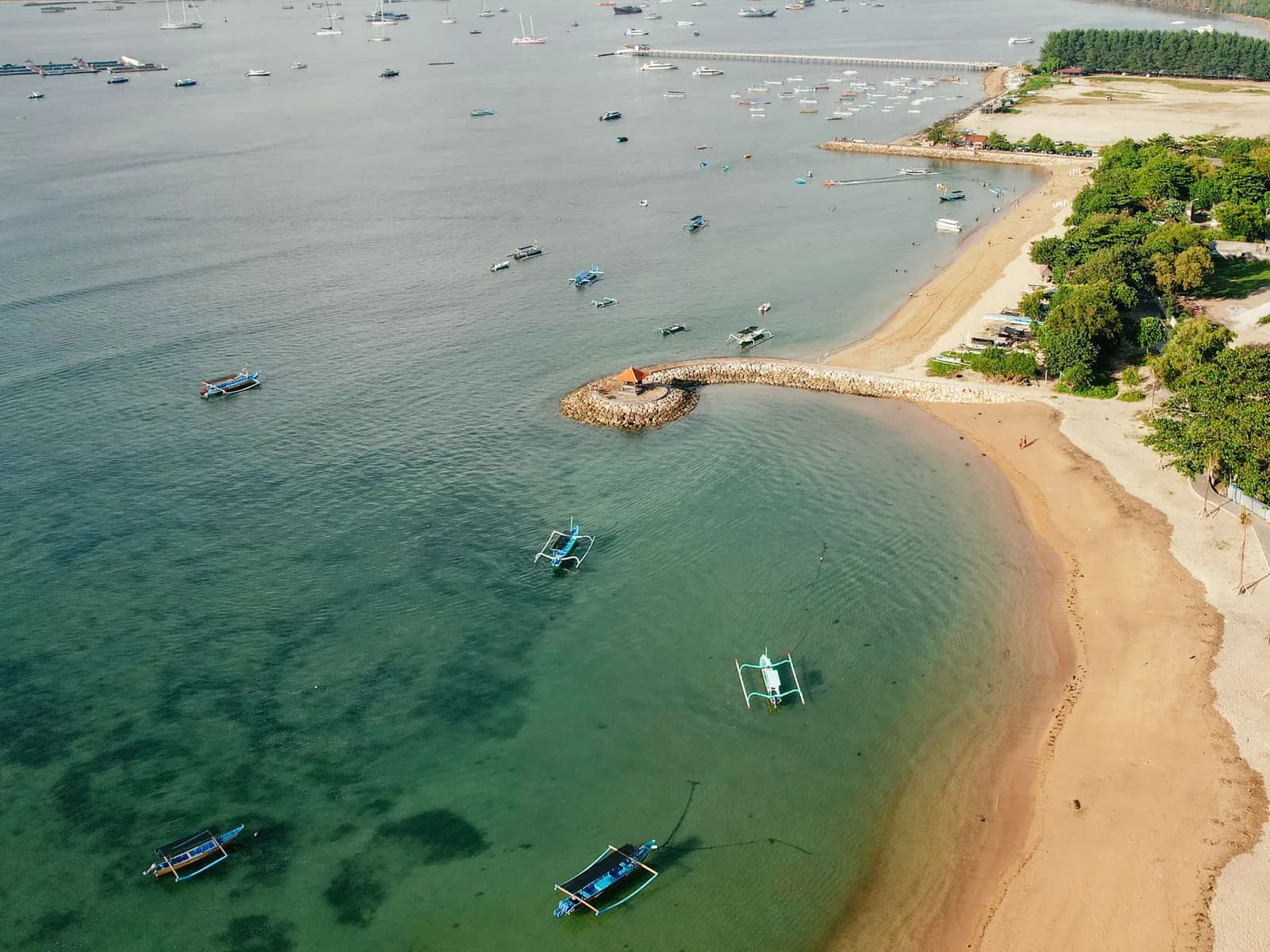
- A reef runs the length of it, so the water inside is flat almost every morning. The most reliable swim on the main island, and the water drops away at low tide.
- Nusa Dua and GegerSouth
- Protected, shallow, raked every morning and lifeguarded. It feels like a resort because it is one, and that is exactly why the swimming works.
- PandawaBukit
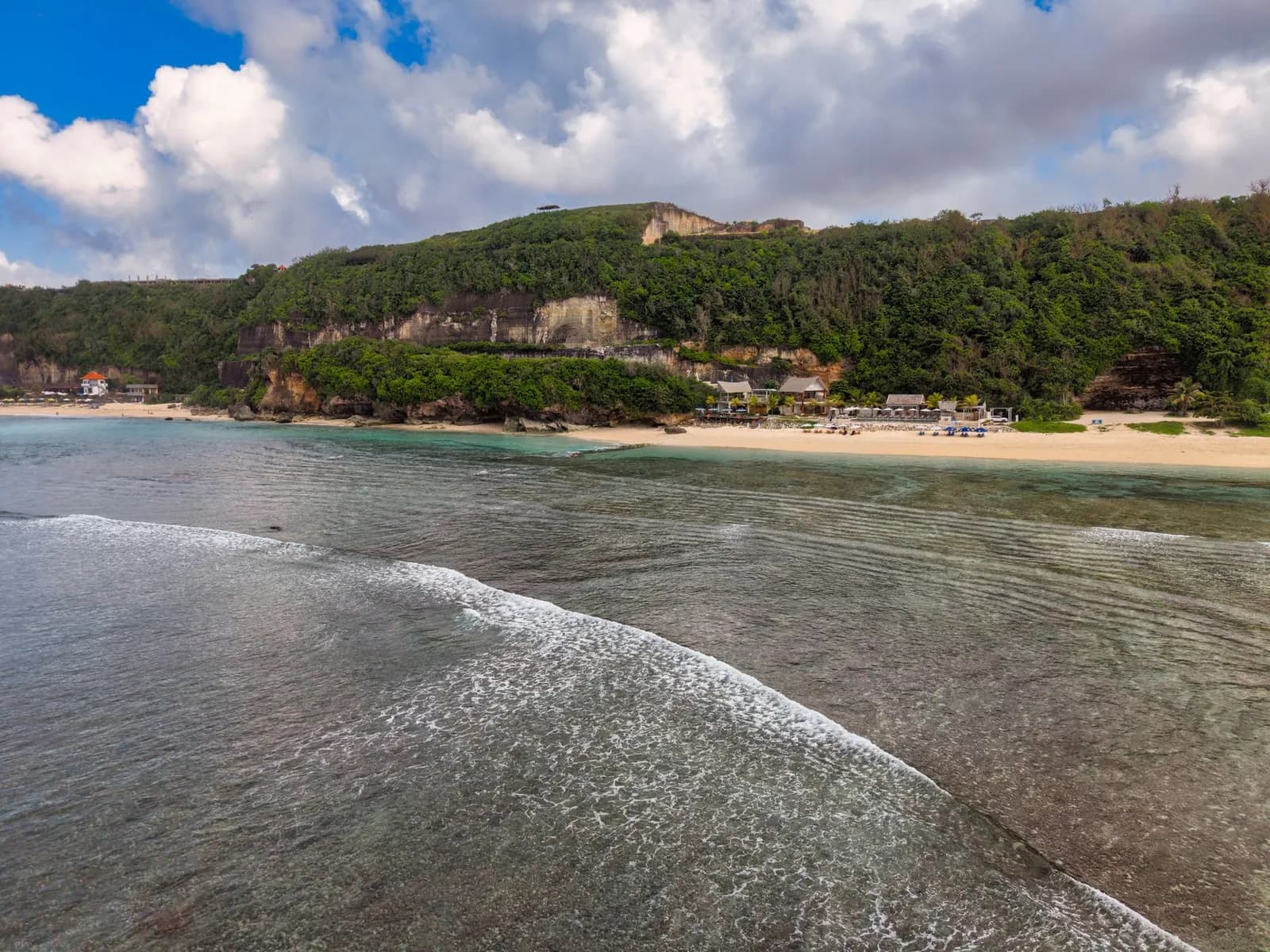
- Cut into the limestone at the bottom of a cliff road, with pale sand and water calm enough for the row of kayaks for hire to make sense.
- Bias TugelPadang Bai, east
- A small cove reached down a rough path from the ferry port. No current, no room, and nobody there before ten.
Not for this
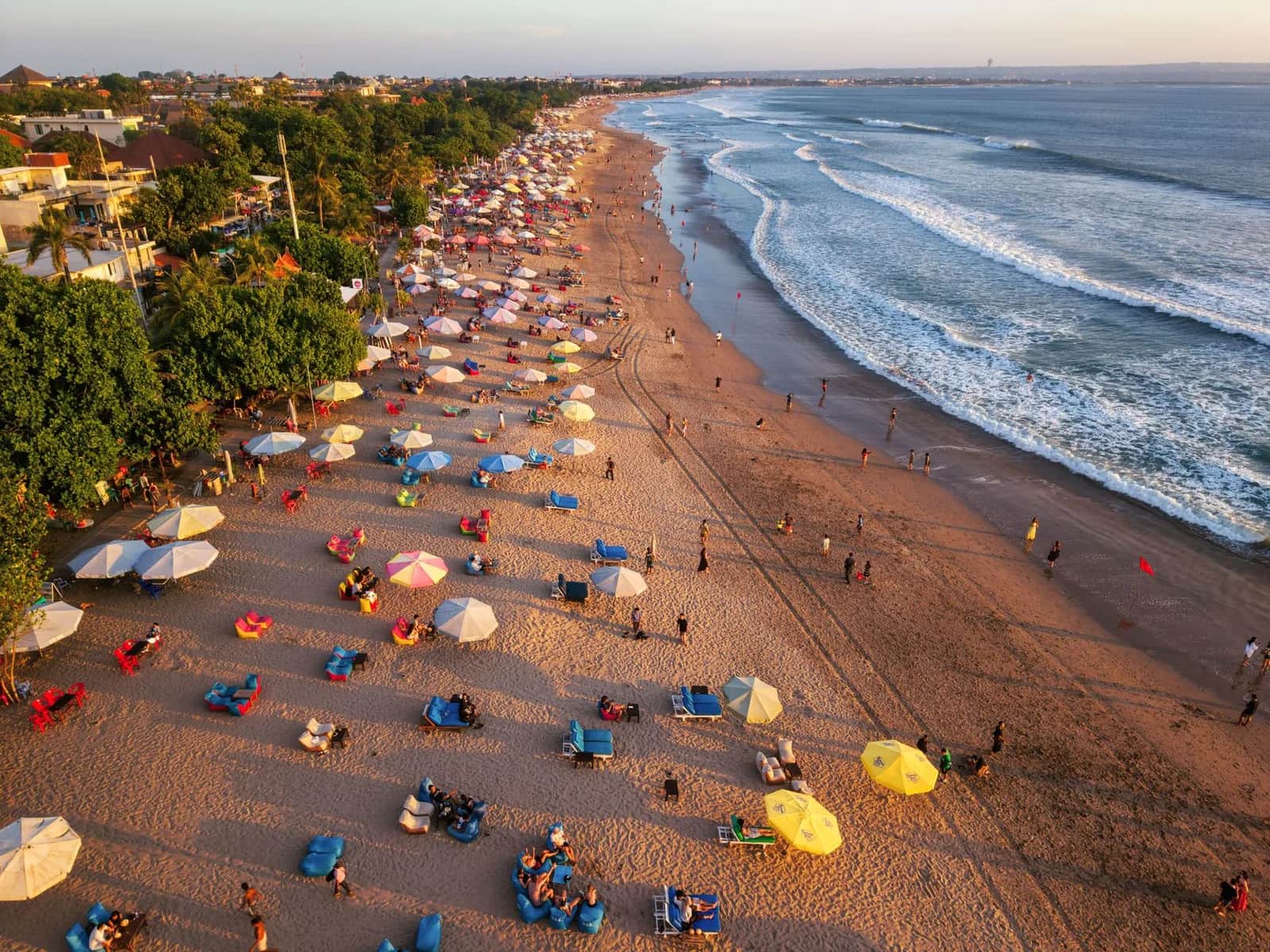
Kuta, Legian, Seminyak, Canggu, Dreamland, Nyang Nyang. Open ocean, a heavy shore dump and rip currents that pull sideways then out. People drown on this coast every year, almost always outside the flags.
Four coasts, and what each one is for
Orientation is the thing to understand, more than distance. A coast that faces the open Indian Ocean gets swell and sunset. A coast that faces the strait gets flat water and sunrise.
| Coast | Faces | Sand | Water | What it is for |
|---|---|---|---|---|
| The Bukit | South and west, open ocean | Pale, limestone | Reef, often shallow, current on the exposed beaches | Surf over reef, cliff scenery, white sand coves |
| The south west strip | Due west | Grey to black, volcanic | Beach break, shore dump, rips | Sunset, learning to surf, everything open late |
| Sanur and Nusa Dua | East and south east | Pale gold | Inside a reef, flat most mornings | Swimming, children, sunrise, watersports |
| The east and north | East, north east | Black volcanic, with white pockets | Deep close in, clear, calm | Snorkelling, diving, nobody else there |
Where you can actually swim
The single most useful thing to know before you get in, and the thing almost no beach list mentions.
What a rip current does
Water pushed onto a beach by waves has to go back out, and on a sand bottom it finds a channel and drains through it fast. That channel often looks like the calm, inviting patch between two lines of breaking surf, which is exactly why people walk into it. It pulls you away from the beach, not under it. You get out by swimming parallel to the shore until you are clear, then back in. Fighting straight back towards the sand is what exhausts people.
The flags, and where there are none
Balawista lifeguards patrol a short list of beaches in daylight: Kuta, Legian, Seminyak, Double Six, Sanur, Nusa Dua, Jimbaran and a handful more. A pair of red and yellow flags marks the zone they are watching, and you swim between them. A single red flag means the water is dangerous. Two red flags mean the beach is closed.
Everywhere else, including most of the Bukit and every hidden cove worth the walk down, nobody is watching at all. That is not an argument against going. It is an argument against swimming out of your depth when you are the only person there.
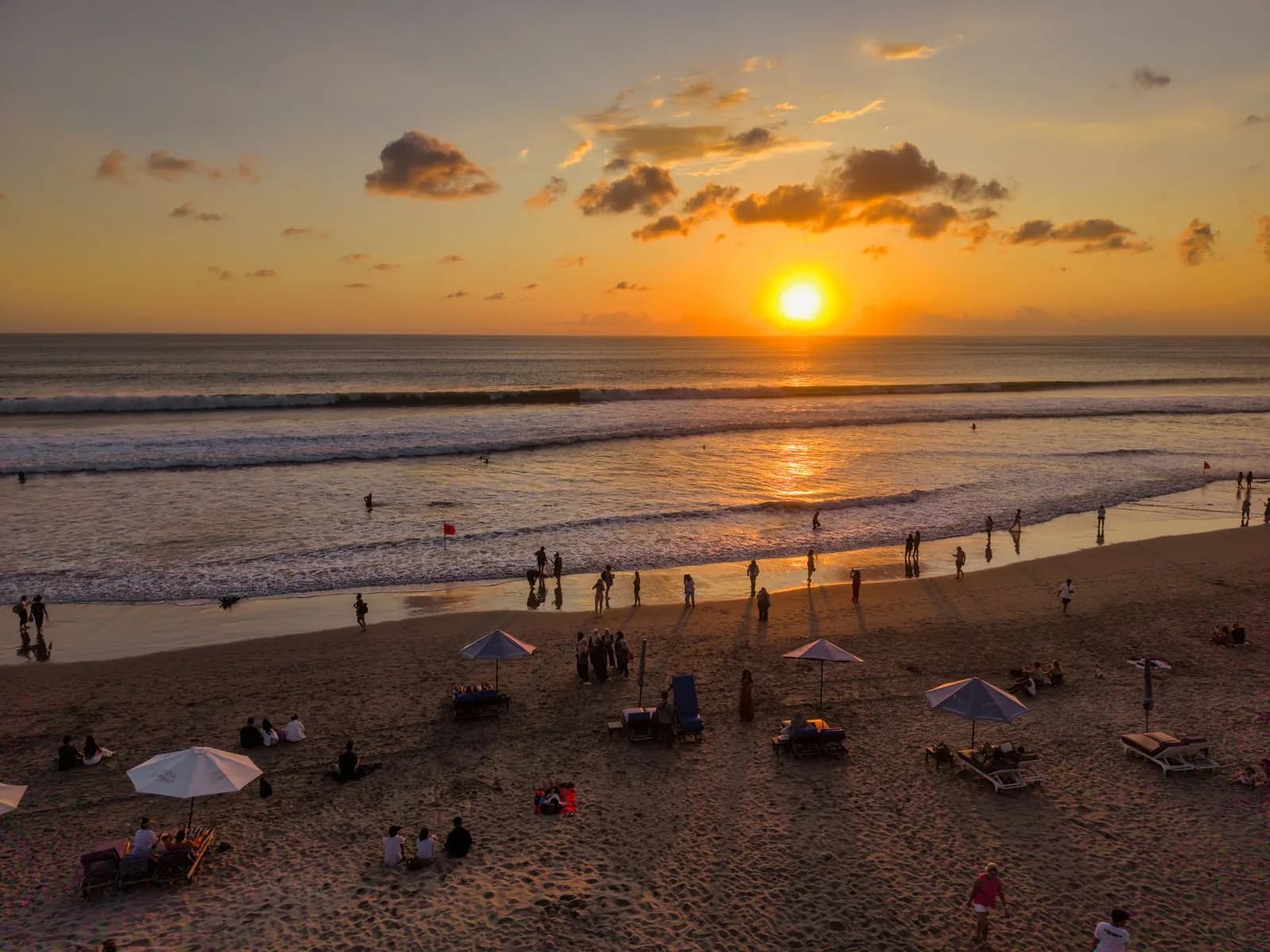
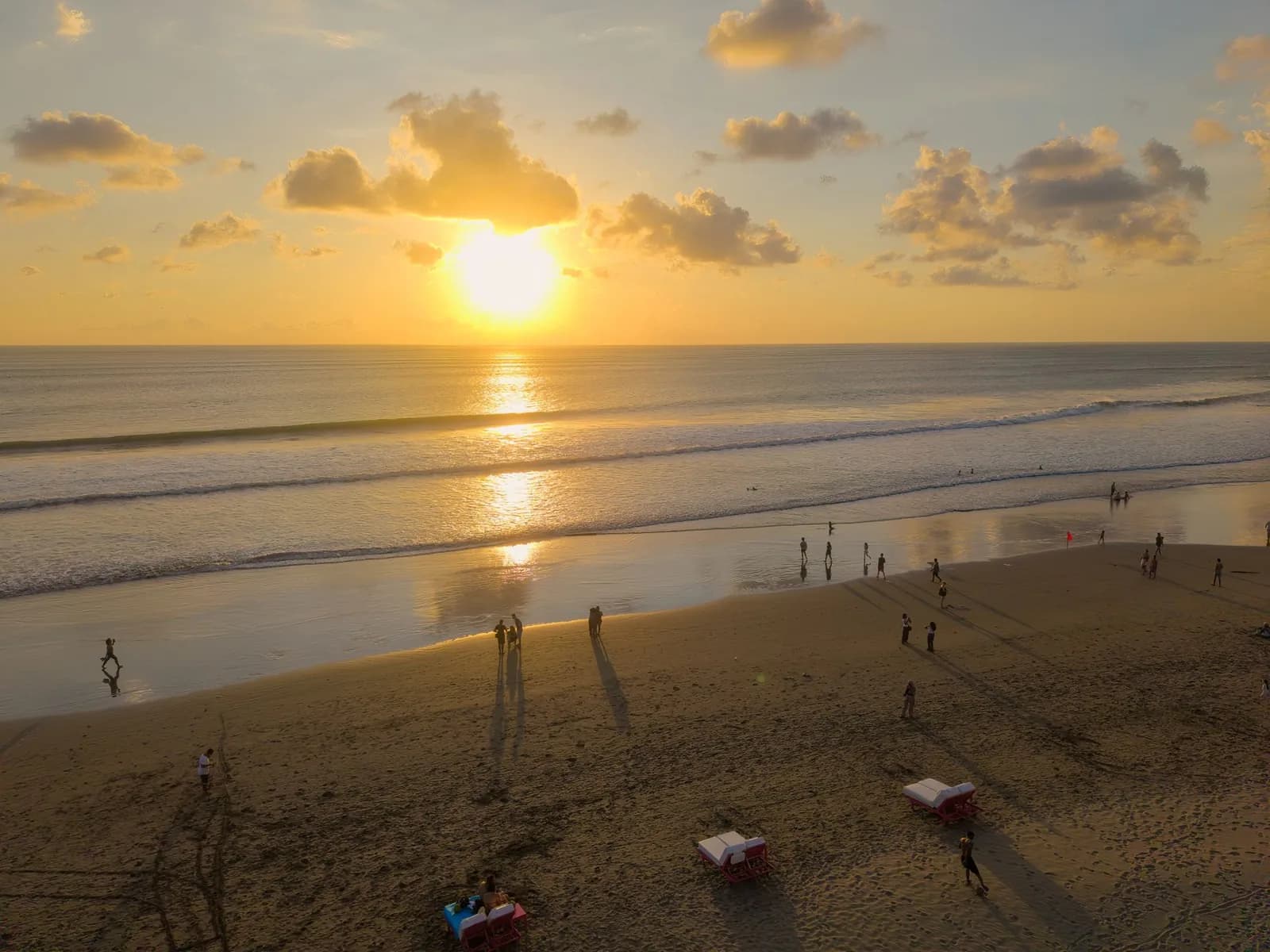
Two red flags on the sand at the end of the day. People are still in the water on both sides of them, which is the normal sight on this coast and the reason the lifeguards spend their afternoons whistling.
Black sand, white sand, and why
Most of Bali is built from its volcanoes. Rivers carry basalt and andesite down to the sea, waves grind it into sand, and the result runs from charcoal grey at Canggu to properly black at Amed, Lovina and Keramas. It absorbs heat, so it is uncomfortable underfoot by mid morning, and it is the reason photographs of the west coast never look like the brochure.
The exception is the Bukit, the peninsula hanging off the south. It is not volcanic at all: it is a limestone plateau, an ancient coral reef pushed up out of the sea. Its cliffs are white, and the sand below them is pale. Same island, different geology, and the whole difference in the photographs people argue about.
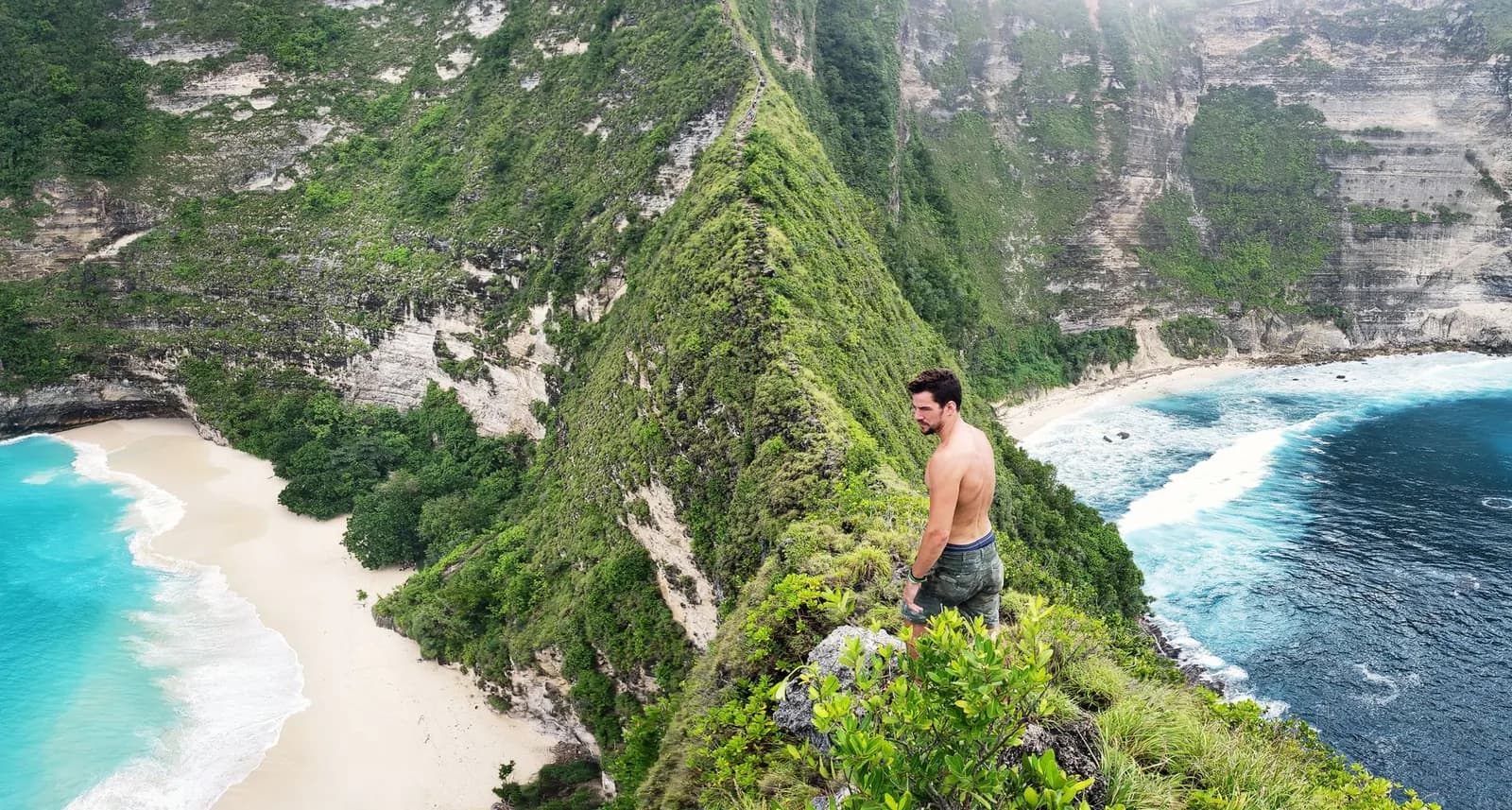
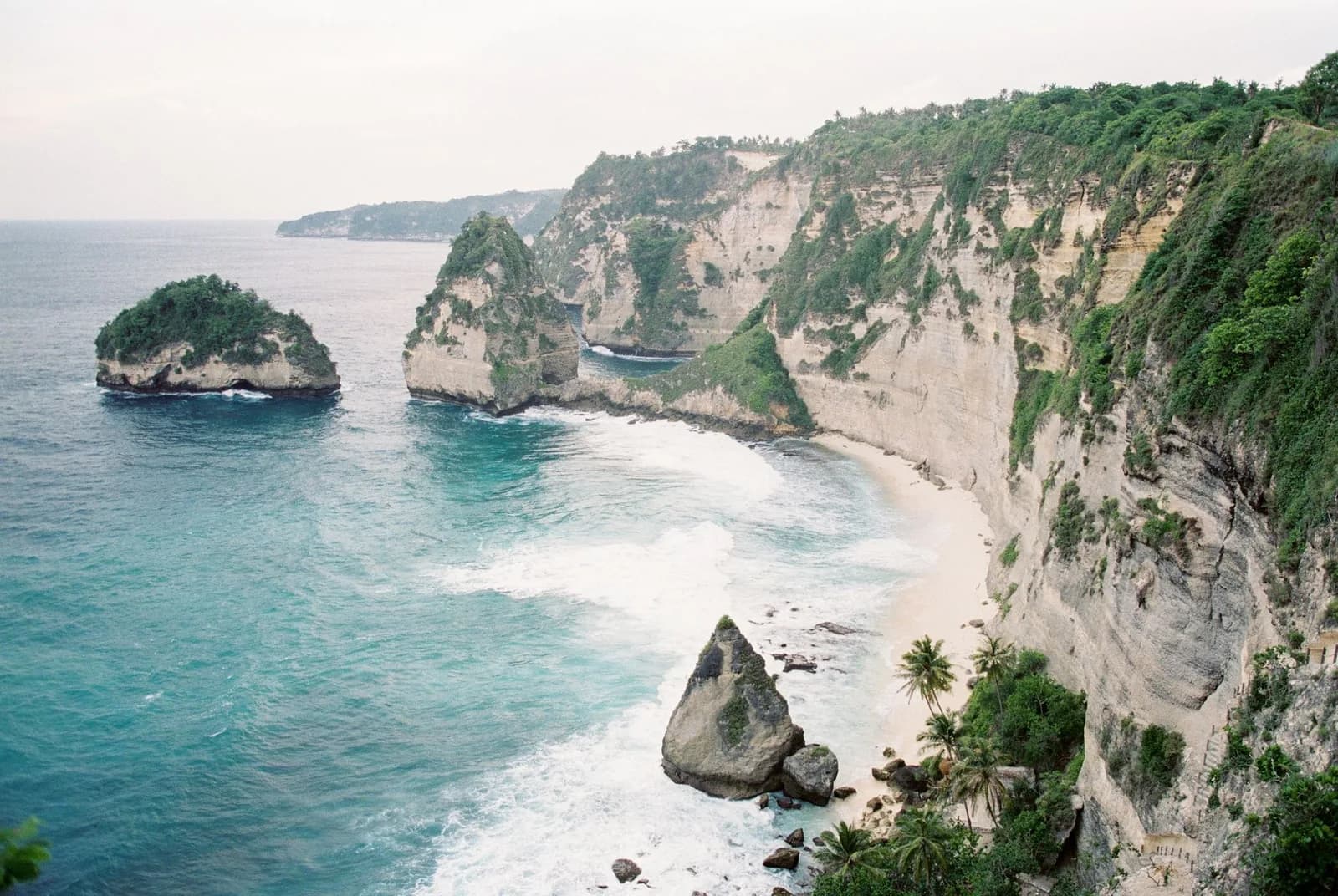
The Nusa islands off the south east are limestone too, which is why Kelingking and Diamond Beach look the way they do. Both are spectacular from above and both have water at the bottom that regularly kills people. Go for the view and the descent, not for a swim.
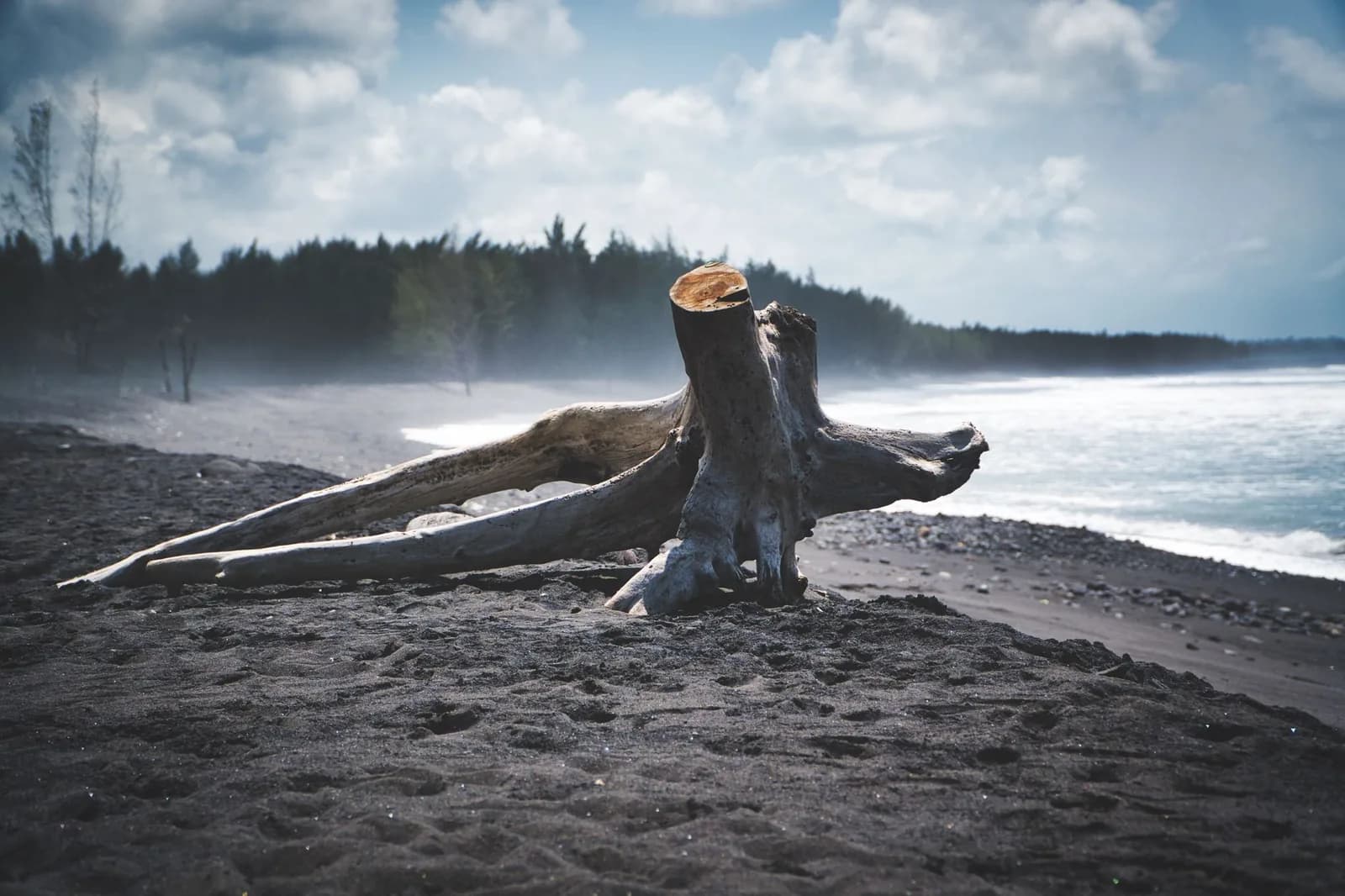
The rubbish season, December to March
Real, and confined to one coast for one quarter of the year. Worth planning around rather than worrying about.
In the wet season the wind swings around to the west and the currents in the Java Sea and the Indian Ocean turn with it. Marine debris that has been circulating for months gets pushed onto the coast that faces it, which is the strip from Kuta up through Seminyak and Canggu to Pererenan. Heavy rain adds to it from the other direction, flushing whatever is in the rivers straight out onto the same beaches.
Crews clear the tourist stretches early every morning, and on a bad day in January the tide undoes that by lunchtime. The photographs that circulate every wet season are not fake. They are also one coast, in one quarter of the year.
The Bukit sees a fraction of it. Sanur, Nusa Dua, the east coast and the Nusa islands face the other way and are barely affected at all. From May to October the whole thing is close to invisible.
Clear water is east, and it needs a boat
Bali’s reefs are on the sheltered side. Padang Bai and the Blue Lagoon are the easiest to reach from the south, an hour and a half away and shallow enough to snorkel straight off the sand. Amed and Jemeluk, another hour up the coast, have a wall of coral a few strokes out and a sunken freighter at Tulamben down the road.
The serious water is further again: Menjangan, inside the national park in the far north west, where visibility runs to thirty metres and the reef drops off a wall. It is a four hour drive, so it is an overnight, not a day trip.
Off Nusa Penida, Crystal Bay and Gamat Bay are outstanding and the current through the strait is not a detail. Manta Point is the one most people come for, and it only works with a boat that reads the tide.
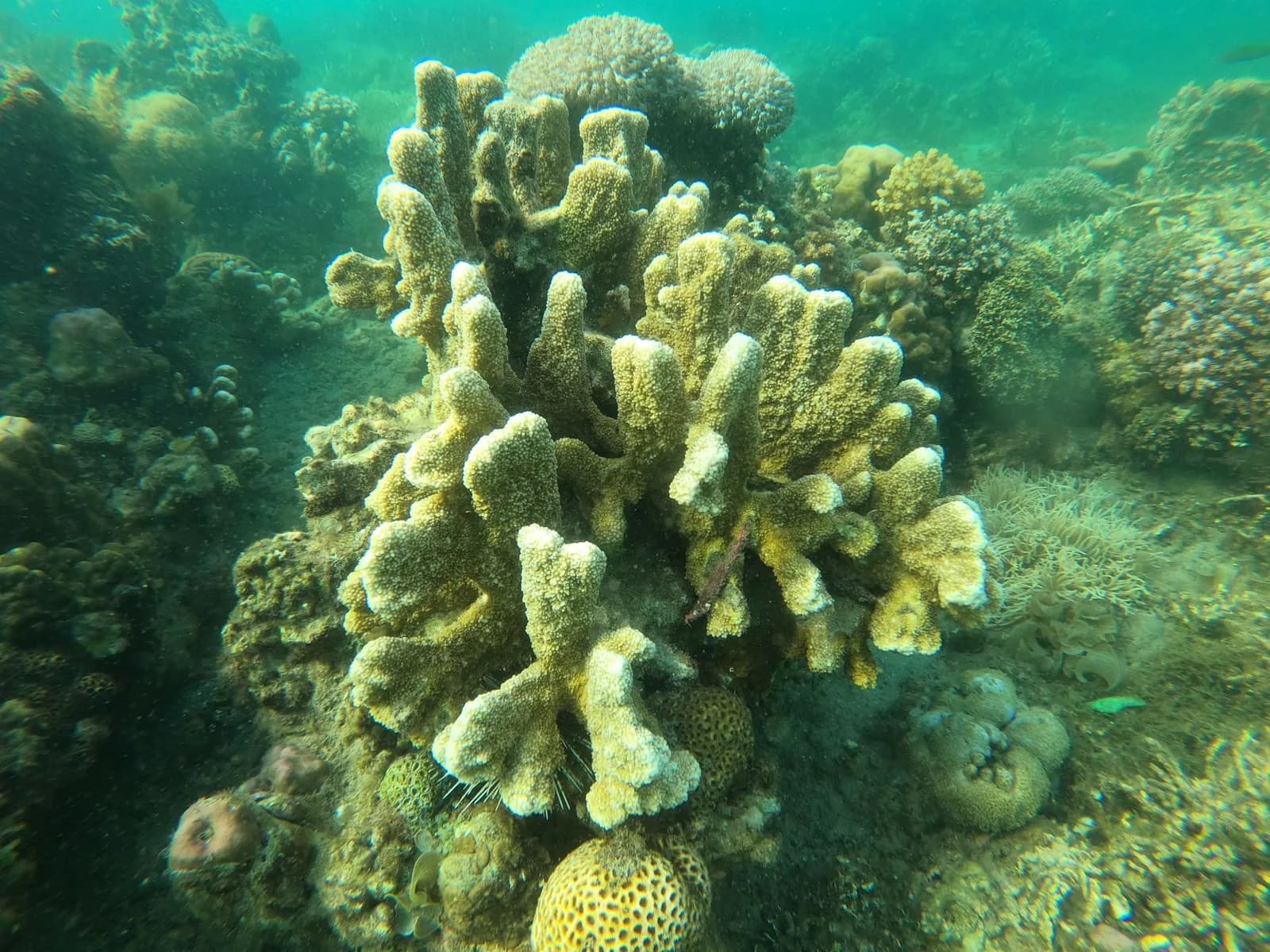
Blue Lagoon, Amed and the Nusa islands
Free cancellationSnorkelling trips on the east coast
- ✓Hotel pickup from the south or Ubud, which is most of the difficulty with Padang Bai and Amed
- ✓Boat and guide included, and on Nusa Penida that is what keeps you out of the current
- ✓Check the gear is included rather than rented on the beach, the difference shows in the mask seal
- ✓Dry season trips see far more, so book east coast water between May and October if you can
Affiliate link. Booking through GetYourGuide costs you nothing extra and supports the guide. Prices are indicative and vary by option and season.
What a beach day costs, and what to bring
Nothing here is expensive. A few habits save an argument on the sand.
Loungers and umbrellas
Set out by beach clubs and by families who rent them. Ask the price before you sit down. On the busy stretches it usually includes a drink, and on the quiet ones it is a flat fee for the day.
Parking and access
Small cash charge almost everywhere, taken at the top. Some Bukit beaches also have a gate fee, and the cliff roads down to them are steep enough that an underpowered scooter with two people on it will struggle coming back up.
Reef shoes, not flip flops
Anywhere with a reef, which is the Bukit, Sanur, Nusa Dua and the whole east. Urchins sit in the crevices and coral cuts take a long time to heal in a tropical climate.
Cash, in small notes
Parking attendants, warungs and lounger hire are cash. Card readers appear at beach clubs and nowhere else, and there is rarely an ATM at the bottom of a cliff road.
Valuables on the sand
Opportunistic theft happens on the busy west coast beaches, particularly at sunset when everyone is looking the same way. Take what you need and leave the rest.
Ceremonies on the beach
Melasti purification processions bring whole villages down to the water, usually before Nyepi in March. Stand back, stay out of the sea while it is happening, and do not walk through the line.
Bali beaches: common questions
Does Bali have good beaches?
Does Bali have swimmable beaches?
Which side of Bali has the best beaches?
Are there white sand beaches in Bali?
What does a red flag on a Bali beach mean?
Are Bali's beaches dirty?
Is Seminyak or Nusa Dua better?
Where are the best beaches in Bali for families?
Read next
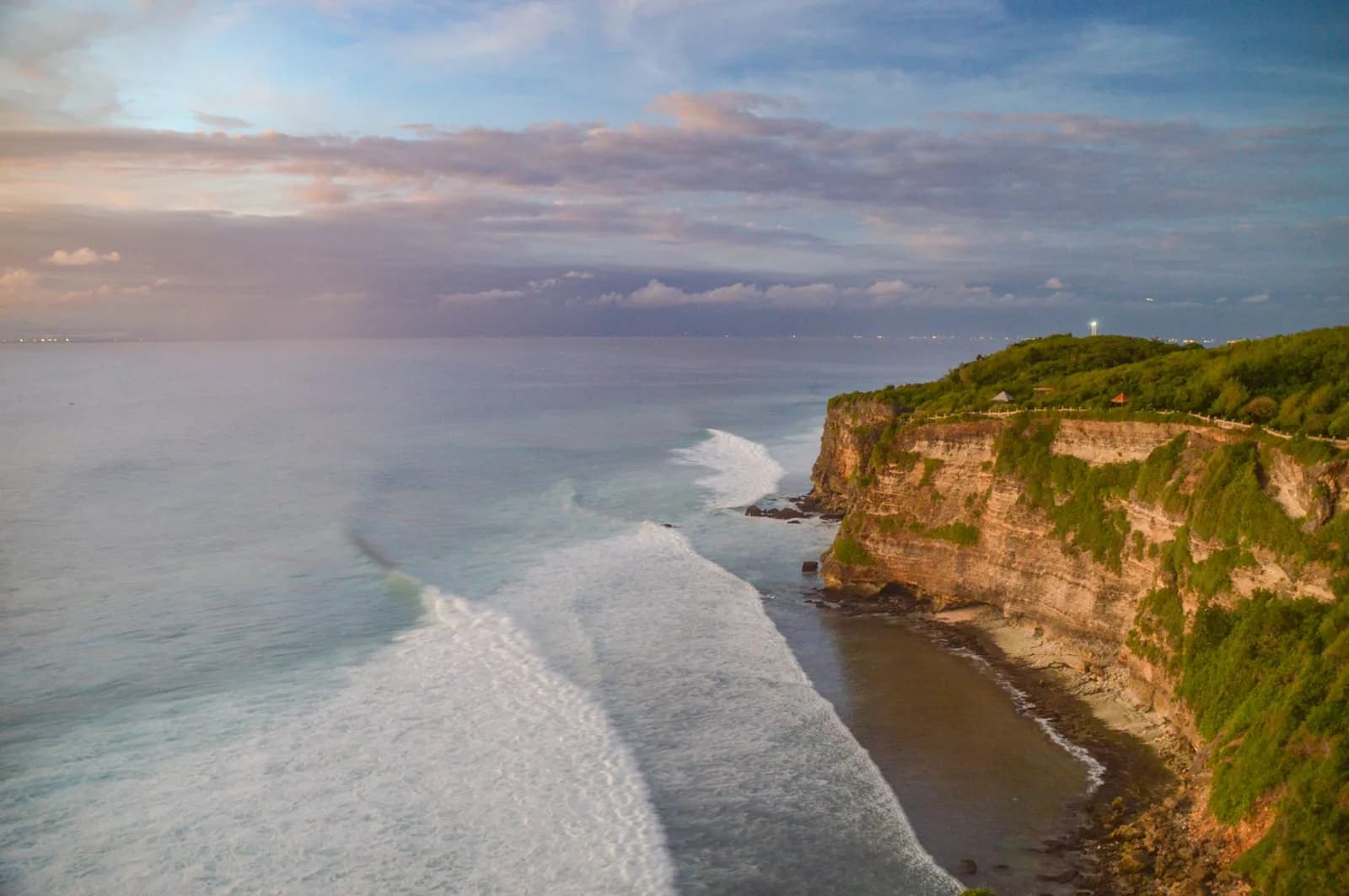
Uluwatu and the Bukit
The white cliffs, the reef breaks and the beaches at the bottom of the switchbacks.
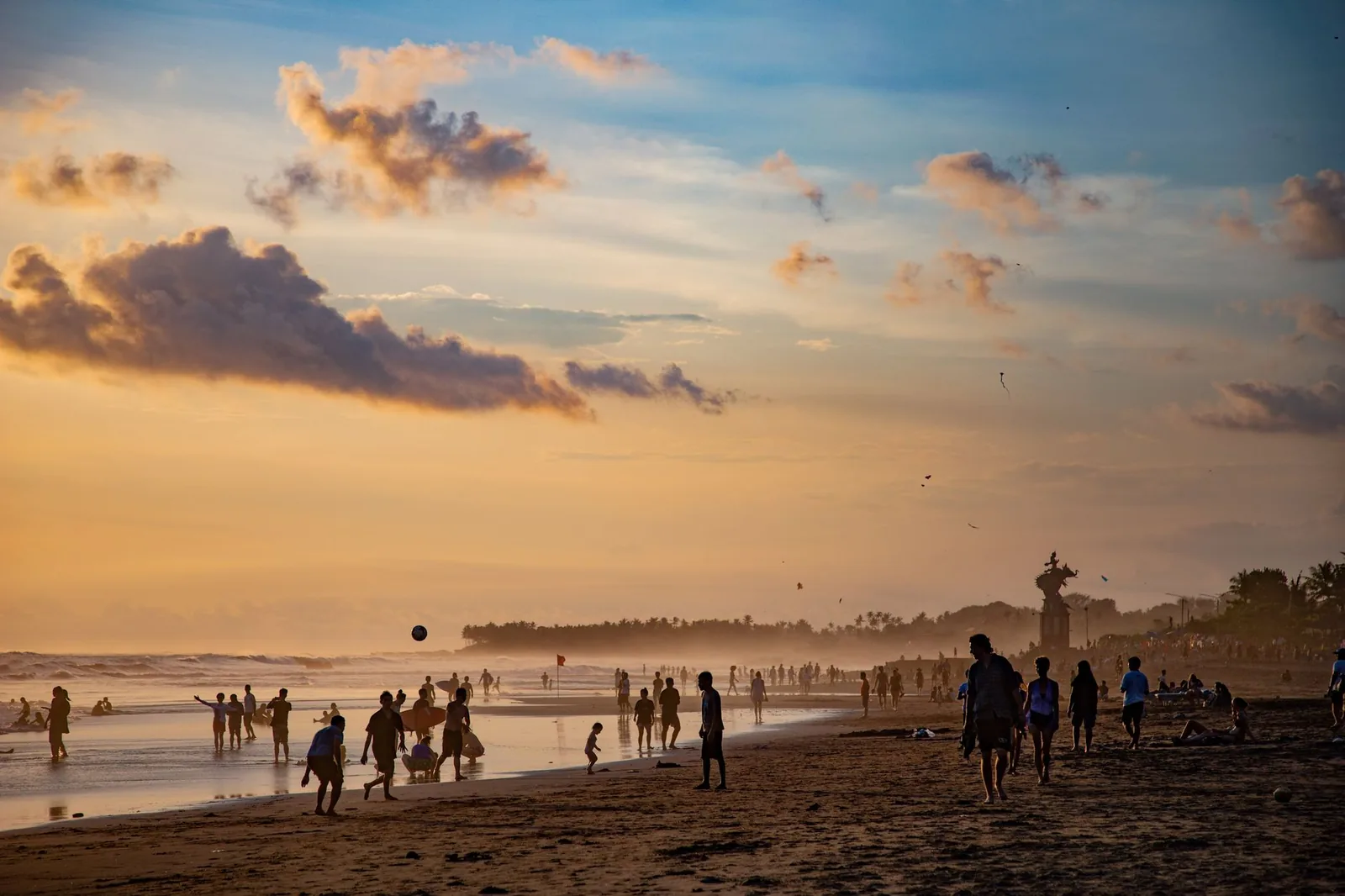
Canggu
Black sand, beginner surf and four quarters that are not the same place.
Seminyak
The sunset strip, and whether it is the right base for your trip.
Kelingking Beach
The descent, the current at the bottom, and who should turn back.
Diamond Beach
The stairs, the cove, and why Atuh next door is the safer swim.
Bali weather by month
Which months bring the swell, the rain and the debris to the west coast.